
Nano Brows vs Microblading: Which Suits Mature Skin in DC

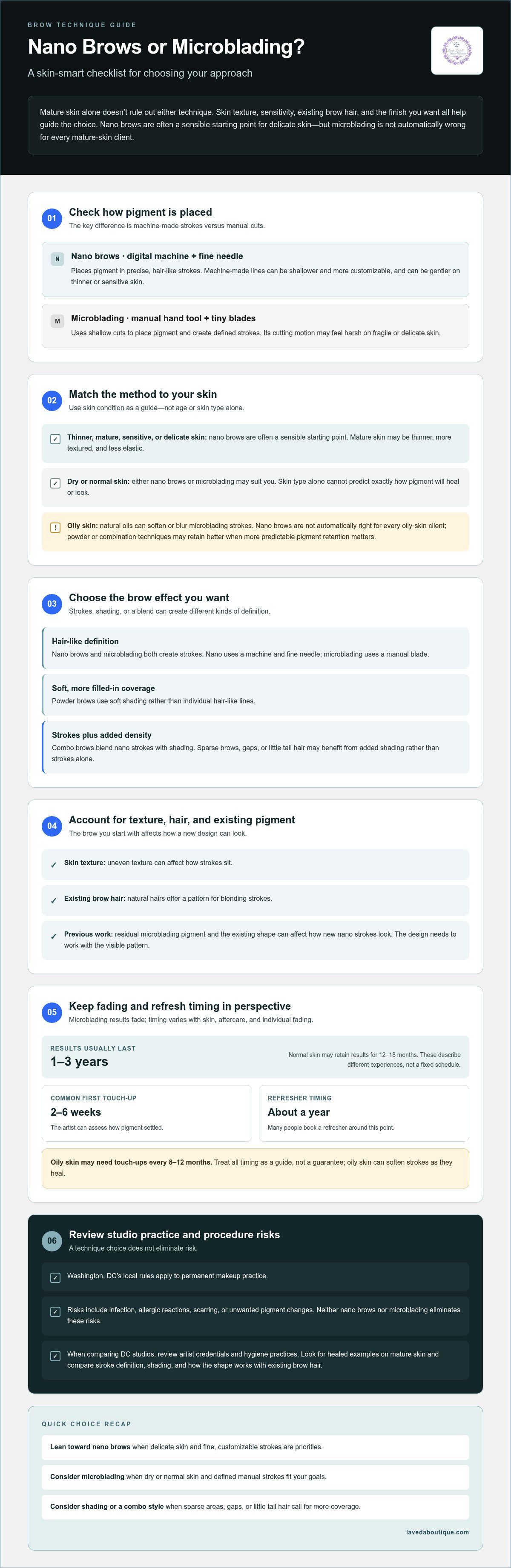
Microblading isn’t automatically the gentler choice just because it creates fine strokes. For readers choosing between nano and microblading for mature skin in DC, nano brows are often a sensible starting point: machine-made strokes can be gentler on thinner or more delicate skin, while microblading uses a manual blade to make shallow cuts. Mature skin alone doesn’t rule out either technique, but its texture and sensitivity matter.
If you’re weighing the options, look beyond how natural the brows can appear. Both techniques can create natural-looking results, but they differ in how pigment is placed, how skin may respond, and how results fade. This guide compares technique, longevity, healing, and suitability for sensitive or mature skin, then offers a practical way to choose the approach that best fits your brows.
Table of Contents
Nano Brows vs Microblading: Which Is Better in 2026?
For readers choosing between nano and microblading for mature skin in DC, nano brows are often the gentler starting point. A digital machine creates precise strokes, while microblading uses a manual blade to make shallow cuts for pigment placement. Mature skin can be thinner, more textured, and less elastic, so the method’s effect on delicate skin matters.
Nano brows use a machine and fine needle to implant pigment in hair-like strokes. Microblading uses a hand tool with tiny blades. Both techniques can look natural when performed by an experienced artist. The choice depends on how your skin responds, the brow effect you want, and your existing brow hair.
Nano brows are often favored for mature skin because machine-made strokes can be shallower and more customizable. Microblading’s cutting motion may be less suitable for fragile or delicate skin. Age alone doesn’t rule out either technique; skin condition and brow goals help guide the decision.
Dry or normal skin may suit either method, but skin type alone can’t predict how pigment will heal or look. Oily skin can soften or blur microblading strokes, and nano isn’t automatically right for every oily-skin client. Powder or combination techniques may retain better for oily skin, especially when more predictable pigment retention matters.
Wrinkles, skin texture, and existing brow hair also shape the result. Uneven texture can affect how strokes sit, while natural hairs offer a pattern to blend with. Sparse brows, gaps, or little tail hair may benefit from added shading rather than strokes alone. Choose based on skin texture, sensitivity, and the coverage you want.
Washington, DC’s local rules apply to permanent makeup practice, and the procedure carries risks such as infection, allergic reactions, scarring, or unwanted pigment changes. Review an artist’s credentials and hygiene practices when evaluating a studio. Neither technique eliminates these risks.
When comparing DC studios, look for brow artists who offer nano brows or microblading and show healed examples on mature skin. Compare stroke definition, shading, and how the shape works with existing brow hair. The studio’s technique should suit the result you want.
Choose nano brows when delicate skin and fine, customizable strokes are priorities. Consider microblading for dry or normal skin when its defined manual strokes suit your goals.
How nano brows are performed
Nano brows use a digital machine and fine needle to place pigment in hair-like strokes. For mature skin, machine-made lines can offer a gentler alternative to microblading’s manual blade technique.
Nano Brow Procedure
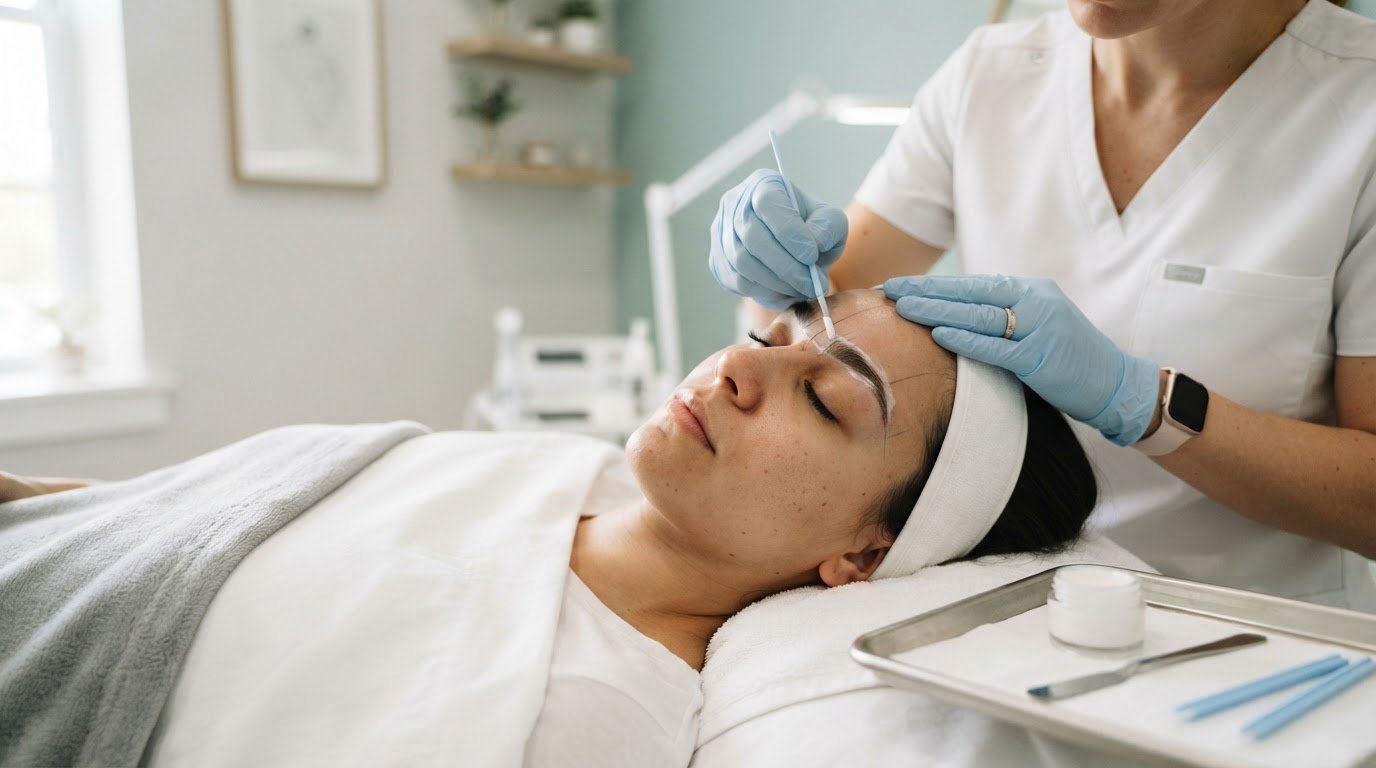
The artist uses a digital machine to implant pigment with precise hair-stroke movements. An ultra-fine needle creates each line, allowing strokes to be placed with control. A topical anesthetic is typically used during the procedure for comfort. Unlike microblading, which makes shallow cuts with a hand tool, nano brows create strokes through machine movement.
The method builds definition with separate lines rather than a solid field of pigment. The artist can shape strokes to follow the direction of existing brow hair, creating a result that works with its natural pattern. For mature or sensitive skin, shallower machine-made lines can be gentler than cutting motions. Technique and placement still affect the final appearance.
Hair Strokes and Shaded Brow Styles
Nano brows create individual hair strokes, while powder brows use soft shading for a more filled-in effect. Combo brows blend both: nano strokes add hair-like detail, and shading builds density. This distinction helps match the technique to your goal. Choose strokes for a defined, hair-like look; consider shading for more even coverage.
Sparse brows, visible gaps, or little tail hair may benefit from combo brows, which pair nano strokes with soft shading. Powder brows focus on shaded definition rather than individual hair-like lines. Microblading also creates strokes, but uses a manual blade instead of a machine and fine needle. Normal or dry skin may suit either microblading or nano brows.
Switching from microblading to nano brows means accounting for existing pigment and the shape already in place. Residual strokes can affect how new lines look, so the design needs to work with the visible pattern rather than treat the brow as a blank canvas. Consider whether you want to maintain a hair-stroke look or add shading for more density.
Compare the methods by how pigment is placed, the finish you want, and the skin’s needs. For mature skin, nano brows offer machine-made strokes and a more customizable approach; microblading relies on shallow cuts. For gaps or sparse areas, combo brows add shading alongside strokes. Explore microblading details as you compare the manual technique with machine-based options.
Microblading longevity and touch-up timing
Microblading pigment fades over time, so the initial result isn’t permanent in appearance. Results usually last one to three years, while normal skin may retain them for 12 to 18 months. These ranges describe different experiences, not a fixed schedule. Skin type, aftercare, and individual fading all influence when hair strokes need refreshing.
Oily skin can shorten how long microblading lasts. Its natural oils may soften strokes as they heal, making definition less crisp. Many people book a refresher at about a year, but oily skin may need touch-ups every 8 to 12 months. Treat these as timing guides, not a calendar that guarantees the same result for everyone.
A first touch-up is commonly scheduled two to six weeks after the initial session. The artist can assess how pigment settled and address areas that healed lighter. This differs from a later refresher, which restores definition after gradual fading. Follow the artist’s timing instructions rather than booking a correction while the initial work is still healing.
Use these steps to think through maintenance:
After the first session: Follow the aftercare plan through the first ten days, when healing care can affect the result.
At the first touch-up: Review how the strokes healed and identify any areas needing refinement.
As pigment fades: Consider a refresher when the natural brow loses the definition you want.
Touch-up pricing depends on the case, and a quote is provided on request. Relevant factors include how much pigment remains, the area needing refinement, and whether the appointment is an initial perfecting touch-up or a later refresh. No single interval or service scope fits every set of brows.
For sensitive skin, maintenance planning matters alongside longevity. Microblading creates shallow cuts, and permanent makeup breaks the skin. Cosmetic tattooing can carry risks such as infection, allergic reactions, scarring, or unwanted pigment changes. Discuss your medical history, medications, allergies, and previous brow procedures before treatment. These details help determine whether microblading and its maintenance pattern suit your needs.
Keep a simple record of session and touch-up dates. For example, note the first appointment, the two-to-six-week touch-up, and when the strokes begin to look softer. This timeline helps distinguish normal fading from a need for refinement. If oily skin blurs hair strokes sooner, compare the healed result with your original brow goal before planning another appointment.
Microblading maintenance is a process, not a one-time finish. Expect pigment to fade, follow the first ten days of aftercare, and use the healed result to guide later refreshers. Natural-looking brows depend on both the initial strokes and how their definition changes over time.
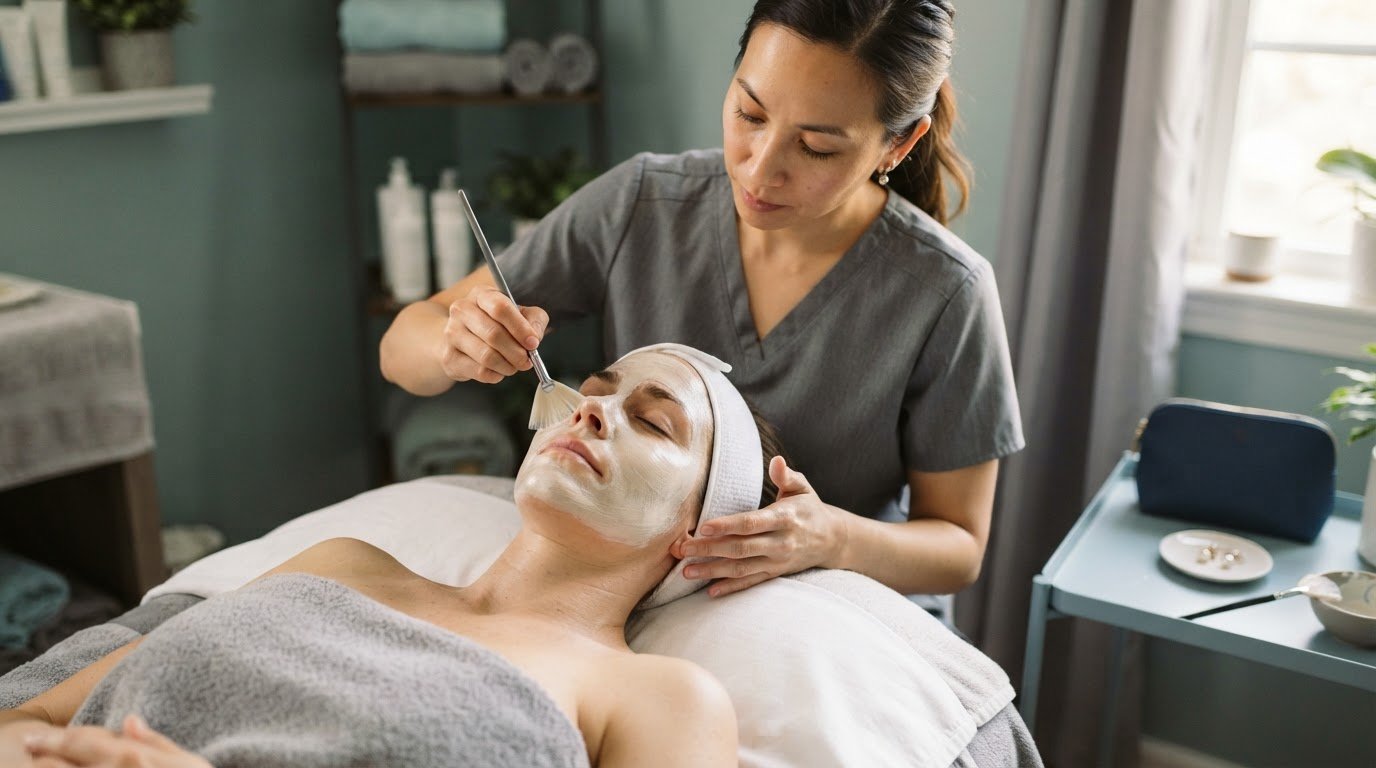
Skin trauma and healing
Microblading and nano brows both place pigment in the skin, but use different tools. Healing and aftercare matter because they can affect how pigment settles and fades.
Healing, Aftercare, and Fading
Microblading creates shallow cuts, while nano brows use machine-made strokes. Cosmetic tattooing breaks the skin and can carry risks, including infection, allergic reactions, scarring, or unwanted pigment changes. Follow the artist’s aftercare instructions closely. For microblading, dry healing during the first 10 days is recommended; don’t assume nano brows have identical care instructions.
During those first 10 days after microblading, moisture and friction can interfere with the aftercare plan. In Washington, DC, consider how humidity, sweat, and seasonal weather affect your daily routine, then follow the specific instructions for the treated area. Avoid treating powder brows, nano brows, and microblading as interchangeable. Their techniques differ, so care guidance should match the procedure performed.
Pigment fades over time, and the rate varies from person to person. For example, oily skin can soften microblading strokes as they heal. That change can affect brow definition, even when you follow aftercare. Keep the area clean and follow the artist’s directions about makeup and other contact during healing, rather than adding products or steps yourself.
Touch-Ups During Healing
A first microblading touch-up is commonly scheduled two to six weeks after the initial session. It allows the artist to assess healed strokes and refine areas where pigment settled lightly. This differs from a later refresher, which addresses fading after the initial healing period. Don’t treat an early touch-up as a substitute for aftercare.
Track the initial appointment, aftercare period, and touch-up date in one place. Note whether a specific brow area healed lighter or strokes softened. These observations give the artist useful context when assessing the result. A touch-up should respond to healed skin, not interrupt its recovery or follow an arbitrary calendar.
Seasonal planning in DC is practical, not a separate healing method. If warm, humid weather makes it harder to keep the area dry, plan around your normal activities and follow the artist’s microblading instructions. In cooler weather, maintain the same procedure-specific aftercare rather than assuming the season changes the process. The 10-day dry-healing guidance applies to microblading, not automatically to every brow technique.
Choose aftercare based on the procedure, not the word “permanent” or a desired finish. Nano brows, microblading, and powder brows use different approaches. Follow the instructions for the method performed and let healing guide any refinement.
Sensitive and mature skin considerations
Mature skin can be thinner, more delicate, less elastic, and slower to heal. Skin response is therefore central when choosing an eyebrow technique, not age alone. Nano brows are often preferred for mature or sensitive skin because their machine-made lines can be shallower. Microblading uses cutting motions, which may feel harsher on fragile skin.
Age and skin type alone don’t rule out either method. Focus instead on the condition of the brow area. For example, thinner skin with visible texture calls for careful consideration of how strokes will sit and heal. A history of sensitivity also matters because cosmetic tattooing breaks the skin and carries risks, including infection, allergic reactions, scarring, or unwanted pigment changes.
Skin type affects pigment retention as well as technique choice. On oily skin, microblading strokes can soften or blur during healing. For hair-stroke techniques, nano is generally preferred over microblading for oily skin, but it isn’t automatically suitable for everyone. Powder or combination brows may retain better for oily skin when more predictable pigment retention is the priority.
A consultation should account for your medical history, medications, allergies, and previous brow procedures. Share specific details, such as a known sensitivity to a product or pigment, and mention past brow work. Existing pigment and previous procedures can affect the design and technique selected. This discussion helps the artist assess factors relevant to your skin before treatment.
Use these decision points to make the consultation specific:
Skin texture: Discuss thinness, delicacy, elasticity, and visible texture around the eyebrow.
Sensitivity: Describe past reactions, allergies, and medications that relate to your skin history.
Skin type: Explain whether your skin is oily, dry, or normal, and weigh how that affects hair strokes.
Existing brow work: Share details of previous procedures and visible pigment.
Comfort is another consideration. Most clients report that microblading tends to hurt more than nano brows. Individual skin response and the method’s cutting or machine movement contribute to the experience. Discuss comfort during the consultation alongside skin trauma, healing, and the finished brow effect.
For mature or sensitive skin, compare the skin’s condition with the technique. Nano brows use shallower machine-made strokes; microblading relies on cuts. Oily skin shifts the comparison toward pigment retention and shading. A clear consultation connects these details with your eyebrow goals instead of relying on age as the deciding factor.
Use a focused consultation to discuss your skin type, medical history, and prior brow procedures. Explore brow options for your skin and consider how technique and desired definition align.
Laveda Lash & Brow Boutique: Lash Extensions
Laveda Lash & Brow Boutique offers Brow Lamination for readers seeking a polished brow finish without choosing between pigment techniques. Lamination shapes and smooths existing brow hairs; it isn’t nano brows or microblading, which place pigment in the skin. Choose based on your goal: reshaping existing brow hairs or adding pigment and strokes through cosmetic tattooing.
If you’re also refining your overall look, Lash Extensions offer a separate way to enhance your lashes. Keep the services distinct as you decide what suits your beauty routine and brow goals.
Contact Laveda Lash & Brow Boutique to explore Brow Lamination or Lash Extensions.
Choose the Brow Finish That Feels Right for You
Start by defining what you want your brows to do for your overall look. Do you want more visible hair-like detail, softer fullness, or simply a groomed shape that works with your existing brows? As you choose between nano and microblading for mature skin in DC, keep comfort, skin needs, and your preferred finish at the center of the decision.
Laveda Lash & Brow Boutique also offers complementary beauty services beyond brows. Choose Lash Extensions or a Lash Lift to focus on your lashes, or Mani Pedi for polished hands and feet. Each service offers a distinct way to refine your routine without changing your brow technique decision.
Take the next step at your pace. Contact Laveda Lash & Brow Boutique to explore its beauty services and decide what fits your goals. A considered choice can feel simple, confident, and entirely your own.
Frequently Asked Questions
Which Technique Is Best?
Nano brows are often the better starting point for mature or delicate skin because machine-made strokes can be gentler. The best fit also depends on the finish you want and your skin’s condition. Someone seeking individual hair-like marks may prefer nano, while someone wanting fuller-looking brows could consider shading. In Washington, DC or Arlington, VA, compare the technique with your skin needs and desired brow shape.
Are There Other Brow Options to Consider?
Yes. Powder brows create a shaded look, while combo brows pair hair-like strokes with soft shading. These options may suit someone seeking more density than strokes alone provide. Brow lamination is another option for shaping existing brow hairs without pigment tattooing. Before choosing a service in the DC or Arlington area, consider whether your goal is added pigment, a fuller effect, or a groomed shape using your natural hairs.
Does One Hurt More?
Most clients report that microblading tends to feel more uncomfortable than nano brows. The methods differ: microblading uses a manual blade, while nano brows use a digital machine and fine needle. Comfort varies with individual sensitivity and the treatment area. Before an appointment in Washington, DC or Arlington, discuss your concerns and relevant sensitivities during the consultation so the artist understands what you’re comfortable with.
What Is Microblading?
Microblading is a cosmetic tattoo technique that uses a manual hand tool with tiny blades to create shallow cuts where brow pigment is deposited. The marks imitate hair strokes, adding definition to the natural brow. It differs from machine-based nano brows in how the pigment is placed. The pigment fades over time, so the appearance changes rather than remaining permanent in its original form.
What Should You Know Before Booking?
Before booking, prepare a clear account of your medical history, medications, allergies, and previous brow procedures. These details help inform the treatment discussion. Cosmetic tattooing breaks the skin and can carry risks, including infection, allergic reactions, scarring, or unwanted pigment changes. Ask about aftercare instructions and plan to follow them. This preparation applies whether you’re considering treatment in Washington, DC or Arlington, VA.
Is nano brows or microblading safer for thin or fragile mature skin?
Nano brows are generally the gentler option for thin or fragile mature skin because machine-made strokes can be shallower than microblading’s cutting motions. Neither method is risk-free: both involve pigment placed in the skin. Discuss skin sensitivity, allergies, medications, and prior brow work during the consultation. These details help guide the technique discussion for mature-skin clients in the DC area.
Which eyebrow tattoo technique lasts longer on mature skin, and how often are touch-ups needed?
Microblading commonly lasts one to three years, though mature skin doesn’t have one fixed fading schedule. Normal skin may retain results for 12 to 18 months, and oily skin can need touch-ups every 8 to 12 months. A first microblading touch-up is commonly scheduled two to six weeks after the initial session. Later refreshers depend on how the pigment fades and the definition you want.
What are typical nano brows and microblading prices in Washington, DC?
Prices for nano brows and microblading in Washington, DC depend on the service details and individual case. A price is provided after a quote request. Factors can include the technique selected, the amount of brow work involved, and whether the appointment is an initial session or a touch-up. Arlington clients can use the same factors to compare what each service includes.

I think this article provides helpful information about the differences between microblading, nano brows, and other cosmetic tattooing techniques. Understanding the proper aftercare instructions is essential for reducing potential complications and achieving the best results. I appreciate the reminder that every procedure requires specific care and that individual skin types can affect how pigments heal and fade. It is always important to follow professional advice, just as I carefully follow instructions when enjoying games like EaglerCraft.