
Dermaplaning in Arlington, VA for Smoother Makeup Application

A polished makeup finish starts with the skin beneath it. Dermaplaning uses a blade to remove dead surface cells and fine facial hair, which can create a smoother canvas for foundation. If you're considering dermaplaning for smooth makeup application in Arlington, VA, sessions are commonly spaced 3-4 weeks apart depending on how quickly facial hair grows back, according to the Naderi Center. The effect is surface-focused, with the aim of a more even-looking base rather than a dramatic change in facial features.
A smoother feel is appealing, but timing, skin suitability, aftercare, and local cost matter before you book. This guide explains what dermaplaning does, how it may affect makeup application, how often sessions are scheduled, who may be a good fit, and what to expect from Arlington pricing. You’ll also learn about aftercare and the factors that shape session costs, giving you a clearer basis for deciding whether the treatment fits your skin and beauty routine.
Table of Contents
How dermaplaning removes dead skin and peach fuzz
Dermaplaning is a manual exfoliation technique that removes dead skin cells from the surface and fine facial hair. These are separate effects: the blade removes peach fuzz and lifts away some surface buildup.
Peach-Fuzz Removal
During dermaplaning, a trained professional glides a blade over the skin to remove fine vellus hair, often called peach fuzz. The treatment removes hair at the surface, not below the skin. For example, it may address fine hairs along the cheeks and jawline. The goal is a smoother surface, not permanent hair reduction.
Dead Skin Cell Removal
The controlled strokes also exfoliate the outer layer of dead skin cells. Hair is cut at the surface, while loose skin cells are lifted away. Dermaplaning doesn’t reach deeper skin layers. Arlington Dermatology notes that it can create a smoother canvas for makeup, connecting surface exfoliation with how products sit on the skin.
Dermaplaning is mechanical, not a chemical peel. A blade passes over the skin to remove surface material, including fine hairs and dead skin cells. This distinction helps set expectations: dermaplaning changes the feel and appearance of the outermost layer, but it doesn’t reshape facial features or remove hair permanently.
For example, dermaplaning can address visible peach fuzz and a slightly rough feel on the cheeks in one treatment, through two separate effects: removing fine hair and exfoliating surface cells. Skin may feel smoother afterward, but a flawless finish isn’t guaranteed. Texture, makeup, and individual skin condition all affect the result.
Consider the treatment area and the type of hair you want removed. Dermaplaning is designed for fine, soft facial hair, or peach fuzz, not every kind of facial hair. It also doesn’t treat concerns beneath the skin’s surface. Understanding these limits helps you set realistic expectations before scheduling.
After treatment, follow the recommended care instructions. Arlington Dermatology advises avoiding heavy makeup for at least 24 hours after dermaplaning. This gives the skin time before makeup is applied again. The removal itself is only one part of the experience: preparation, technique, and post-treatment care all influence how comfortably the skin returns to your routine.
Recommended treatment frequency
When choosing a dermaplaning provider in Arlington, Virginia, look for a skin assessment, a clear explanation of the technique, and specific aftercare instructions. Discuss active skin concerns, sensitivity, and any other facial treatments you’re planning.
For superficial facial hair, the Naderi Center says dermaplaning can be performed every 3-4 weeks, depending on how soon the hair grows back. That interval gives vellus hair time to return before another session. Hair growth varies, so the calendar alone doesn’t determine when to schedule. Consider the regrowth you see and the condition of your skin between appointments.
Other maintenance guidance describes sessions every 4-6 weeks. These intervals are not identical recommendations: one centers on facial-hair regrowth, while the other describes a maintenance rhythm. Some providers also describe refresh sessions every 6 to 12 months once optimal results are achieved. Ask what each schedule is intended to maintain, then make timing decisions around your goals and skin’s response.
Plan differently for a major event than for routine maintenance. Schedule dermaplaning a few days beforehand, not immediately before makeup or photography, so you have time to observe your skin’s response. If your skin is sensitive, avoid trying a first-time treatment alongside other new procedures just before an important occasion.
If you’re considering dermaplaning alongside a facial or light treatment, discuss the sequence during your skin assessment. These treatments address different concerns, and combining them in one visit may change the overall experience. For example, ask whether to schedule a facial and dermaplaning together or separately. Don’t assume that combining treatments automatically saves time or improves results.
The treatment area and included steps affect the technique and appointment length. Treating the cheeks alone differs from working across the full face. Ask the provider to explain the area, blade technique, and appointment plan. There’s no single duration that applies to every face, so a specific explanation is more useful than a generic estimate.
In Arlington, Virginia, look for a provider who assesses your skin and explains the plan in plain language. Discuss technique, suitability, timing, and aftercare, not just an appointment date. A careful assessment helps determine whether dermaplaning fits your routine, particularly if your skin is sensitive or you’re planning a facial or light treatment.
Smoother makeup application
Dermaplaning can create a smoother surface for makeup by removing fine facial hair and surface buildup. Arlington Dermatology says it can create a smoother canvas for makeup and enhance skincare product absorption. That doesn’t guarantee flawless foundation: the formula, application technique, and your skin condition still shape the finish. For dermaplaning for smooth makeup application in Arlington, VA, keep these factors in mind.
Fine hairs on the cheeks can catch foundation and affect how it looks. Removing that surface hair may help makeup glide more evenly, while exfoliating dead skin cells may reduce a rough or uneven feel. These effects are limited to the skin’s surface; dermaplaning doesn’t address deeper texture changes.
Prepare for makeup in a few simple steps. Follow the post-treatment instructions and give your skin time before applying makeup. Then use skincare suited to your routine and apply foundation with a clean brush or sponge. Start with a light layer to see how the product sits, rather than adding more to disguise texture before assessing the base.
Dermaplaning is a non-surgical surface treatment, not a procedure that reshapes skin or facial features. A careful, even treatment can remove surface debris across the treated area. If the cheeks are treated but another area is not, makeup may still look different across those zones. Discuss the planned treatment area before the session.
According to Arlington Dermatology, skincare products may absorb more readily after treatment. That may affect the order or feel of your routine, but it doesn’t make every product suitable immediately afterward. Follow your aftercare instructions and keep your routine simple. A familiar moisturizer, for example, is easier to assess than several unfamiliar products at once.
For an event, plan makeup around the treatment rather than booking at the last minute. Dermaplaning is often scheduled a few days before a major event, leaving time to observe your skin before applying a full makeup look. If you’re changing products or technique, try your foundation beforehand to distinguish the treatment’s effect from a new formula.
A brighter-looking finish is possible, not a promise of flawless coverage. Dermaplaning addresses surface hair and dead skin; it doesn’t replace a suitable foundation match, skin preparation, or skilled application. If you’re considering dermaplaning for smooth makeup application in Arlington, VA, treat it as one part of your routine and assess how your own products perform afterward.
Safety and suitability for different skin types
Dermaplaning is physical exfoliation focused on the skin’s top layer. A blade removes surface buildup, including dead skin cells, and fine facial hair. It doesn’t work below the surface. Skin may feel smoother afterward, but texture and makeup results vary with individual skin conditions.
Active acne is an important reason to avoid treatment. SkinDC advises against dermaplaning over active acne because it can irritate the skin and spread bacteria. Inflamed breakouts in the treatment area, for example, affect whether it’s appropriate to proceed. The skin should be assessed for active blemishes before treatment, rather than assuming every face has the same needs.
Skin may look slightly red or feel sensitive immediately afterward. This reaction typically subsides within a few hours. Keep that short-term response in mind if you have a work event or makeup appointment the same day. Allow time to observe your skin before applying a full makeup look instead of expecting an immediate flawless finish.
Suitability depends on your skin’s condition at the appointment, not just its general type. Discuss visible irritation, active breakouts, and areas that feel unusually sensitive. Point out specific zones, such as your cheeks or chin, so the professional can assess the planned treatment area. This helps determine whether dermaplaning suits your current skin condition.
For makeup, the aim is a more even-feeling surface, not a guaranteed fix for every texture concern. Removing dead skin cells and fine hair can create a smoother base, but foundation results still depend on the formula and technique. A lightweight foundation applied with a clean sponge, for example, can sit differently from a thick, layered product.
Use your first visit to set a realistic plan. Describe your skincare routine and any recent changes, then follow the treatment’s aftercare instructions. Don’t add exfoliation steps on your own immediately afterward. A simple routine makes it easier to notice how your skin responds and what helps you return comfortably to makeup.
SkinDC advises against dermaplaning over active acne. For other concerns, an assessment of visible irritation, sensitivity, and the treatment area helps determine whether to proceed. Don’t assume that a particular skin type always qualifies. The aim is to choose a technique that respects your skin’s current condition while supporting a smoother texture and more even makeup application.
Dermaplaning cost in Arlington
That range is a starting point, not a personalized quote. The final amount depends on the treatment area and appointment scope. A focused treatment and a full-face session, for example, may involve different steps and time.
The price for this service depends on the individual case and is provided after a quote request. Factors include the treatment area, session scope, and any additional care included. A useful estimate should spell out what the session covers, distinguishing the dermaplaning procedure from other services discussed alongside it.
Before committing, ask for a clear description of the treatment plan. It should specify the area being treated, how the blade will be used, and what preparation is included. Cleansing the face before treatment, for example, is a separate step from applying aftercare afterward. Knowing what’s included helps you understand the estimate.
Skin condition can also affect whether a session is appropriate. SkinDC advises against dermaplaning over active acne because of the risk of irritation and bacterial spread. If treatment can’t proceed as planned, the session scope may change. Discuss visible breakouts before planning, rather than making the quoted amount the only factor in your decision.
Frequency affects the total cost of maintaining results over time. The Naderi Center says dermaplaning for superficial facial hair may be performed every 3-4 weeks, depending on how soon the hair grows back. Other maintenance guidance describes sessions every 4-6 weeks. These intervals are not interchangeable guarantees; they reflect different approaches to scheduling and regrowth.
Payment options vary across Arlington-area clinics. Five of the 18 clinics listed for the area state on their own websites that they offer financing or payment plans. This figure doesn’t establish the terms of any particular plan. If spreading payments matters to your budget, include that consideration when reviewing the full session cost and treatment schedule.
Compare estimates by scope, not just the headline amount. Check whether they cover the same facial area, preparation, and aftercare. Ask how sterile equipment is handled, too. A quote that explains the steps gives you a clearer basis for comparing value than an amount without context.
Skin condition, treatment area, session scope, and maintenance timing all matter. A clear outline of these factors helps you understand what the appointment includes and whether it fits your plans.
Laveda Lash & Brow Boutique
Laveda Lash & Brow Boutique offers beauty services that can complement your overall look. Dermaplaning focuses on the skin’s surface, while Lash Extensions and Brow Lamination enhance the appearance of lashes and brows. Each serves a different purpose, so choose according to your desired result rather than treating them as substitutes for exfoliation.
When planning a beauty routine for smoother makeup application, consider how your skin, brows, and lashes work together. Each service has a distinct role in your overall look. Keep dermaplaning’s timing and aftercare in mind when arranging other appointments.
For questions about beauty services, contact Laveda Lash & Brow Boutique.
Choose the Next Step for Your Beauty Routine
Let your desired makeup look guide your next decision. If a smoother-looking base is your priority, consider whether dermaplaning for smooth makeup application in Arlington, VA, fits your goals and routine. Focus on the result you want, rather than adding a treatment simply because it’s available. A clear priority makes it easier to plan appointments with intention.
You can also consider how other services fit your overall look. Laveda Lash & Brow Boutique offers Lash Extensions, Lash Lift, and Mani Pedi services at its Washington, DC locations. These are separate ways to refine your beauty routine, not substitutes for skin exfoliation. Choose appointments that align with what you want to achieve.
When you’re ready to discuss your beauty service options, contact Laveda Lash & Brow Boutique. Take the next step at your own pace and choose a routine that feels right for you.
Frequently Asked Questions
What Is Dermaplaning?
Dermaplaning is a manual exfoliation treatment that uses a blade on the skin’s surface. It removes fine facial hair and surface buildup without targeting hair roots, so it differs from treatments designed to reduce hair growth. For example, it may remove soft hair on the cheeks, but it doesn’t change facial contours or address concerns beneath the surface.
Will the hair grow back thicker or darker?
No. Dermaplaning removes fine hair at the skin’s surface without changing its roots. As hair grows back, its blunt ends may feel more noticeable, but that doesn’t mean it has become thicker or darker. If your main goal is lasting hair reduction, dermaplaning isn’t designed to change future hair growth.
What is dermaplaning and how does it help makeup apply smoothly?
Dermaplaning uses a blade to exfoliate the skin’s surface and remove fine facial hair. Arlington Dermatology says it can create a smoother makeup canvas and enhance skincare product absorption. Foundation may glide more evenly across the treated area, for example, but the result still depends on your skin, product formula, and application technique. Treat it as a surface-smoothing step, not a guarantee of flawless coverage.
How long do dermaplaning results last, and how often can you get it?
For superficial facial hair, the Naderi Center says sessions can be performed every 3-4 weeks, depending on how soon hair grows back. Other maintenance guidance places sessions every 4-6 weeks. These schedules describe different approaches, so regrowth and skin condition help shape timing. For a major event, plan the appointment a few days ahead rather than booking at the last moment.
What is the average cost of dermaplaning in Arlington, VA?
That range isn’t a precise average or a quote for a specific appointment. The treatment area and session scope can affect the estimate. Compare what each appointment includes, such as preparation and aftercare, rather than relying on the listed amount alone.
Which Arlington, VA spas or dermatology clinics offer dermaplaning?
Dermatology and skincare practices in the Arlington area offer dermaplaning. Local recommendations can help explain scheduling, suitability, and aftercare, though this answer doesn’t provide a clinic directory. Laveda Lash & Brow Boutique offers facials in Washington, DC, and Arlington, VA. When considering dermaplaning, choose a local provider whose treatment details address your skin concerns and planned routine.
What happens during a dermaplaning appointment?
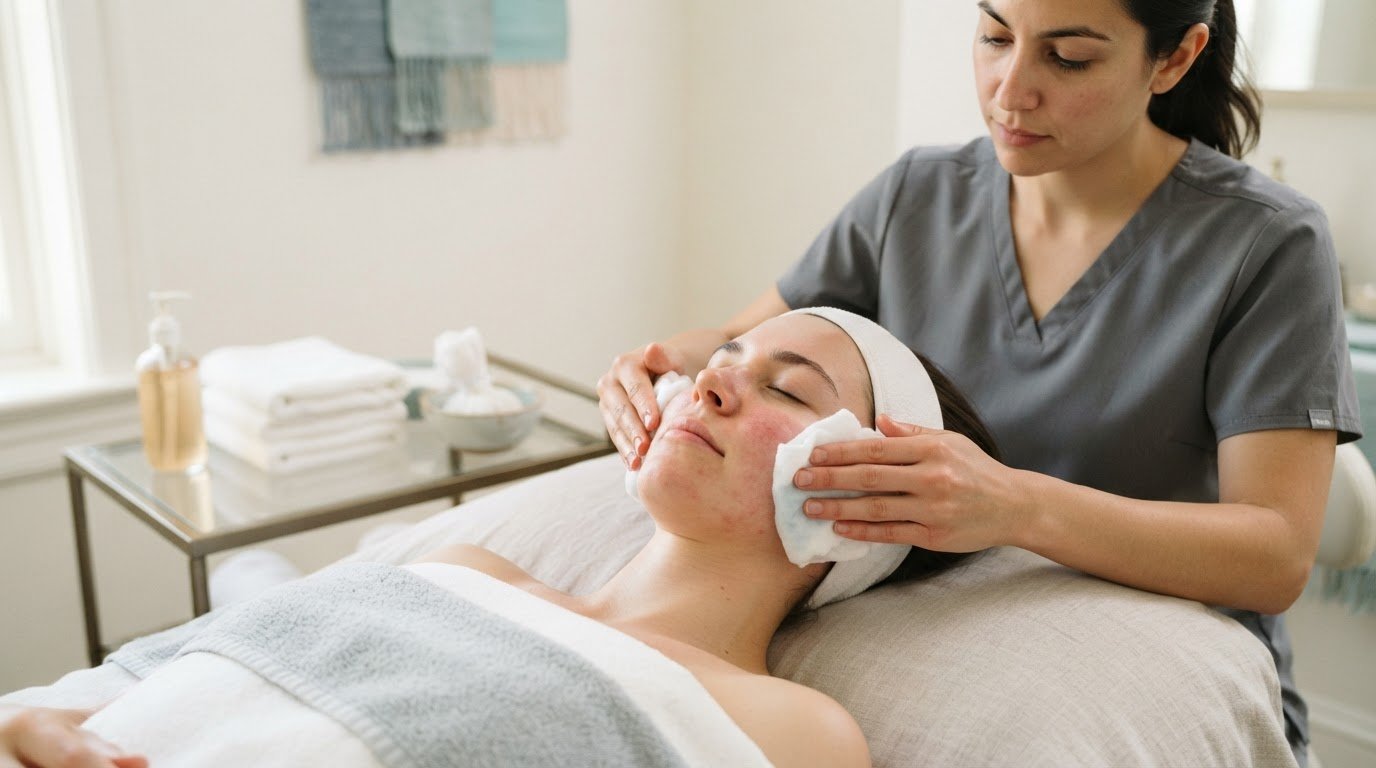
A dermaplaning appointment focuses on treating the skin’s surface with a blade. The professional assesses the treatment area, then uses controlled strokes to remove fine hair and surface buildup. For example, a session may address the cheeks or a broader facial area, depending on the plan. Afterward, you’ll receive care instructions. Arlington Dermatology advises avoiding heavy makeup for at least 24 hours.
How should I prepare for dermaplaning and care for my skin afterward?
Before treatment, share your skin concerns and current routine so the professional can assess suitability. Afterward, follow the instructions provided for your appointment. Arlington Dermatology advises avoiding heavy makeup for at least 24 hours and harsh exfoliants and active ingredients such as retinoids for 7 days. Diligent SPF use is advised during the following week. Keep your routine simple while your skin settles.

The note that five of eighteen Arlington clinics advertise payment plans is a small detail that actually helps someone deciding to book. An Easy Zombie AI Trend short could put that kind of local pricing context in front of clients without a sales pitch.
Avoiding heavy makeup for at least 24 hours is easy to forget once the appointment is over. Easy AI Rap Duo could turn that single instruction into a short audio reminder a client will hear before getting ready.
The point that dermaplaning is mechanical rather than a chemical peel is where a lot of expectations go wrong. Free AIZombieVideo could turn that comparison into a short clip for a clinic's feed during a seasonal promotion.
Sessions every three to four weeks for hair regrowth versus four to six for maintenance is a nuance worth a short demo. A muse video walkthrough of the appointment could answer most of what people ask at a first visit.
The article is careful not to promise a perfect foundation match, which is refreshing. Affordable MuseImages AI could help a small clinic build before and after visuals for its site without booking a photographer.