
DC summer humidity skin issues: how heat affects your skin

Updated: Nov 8
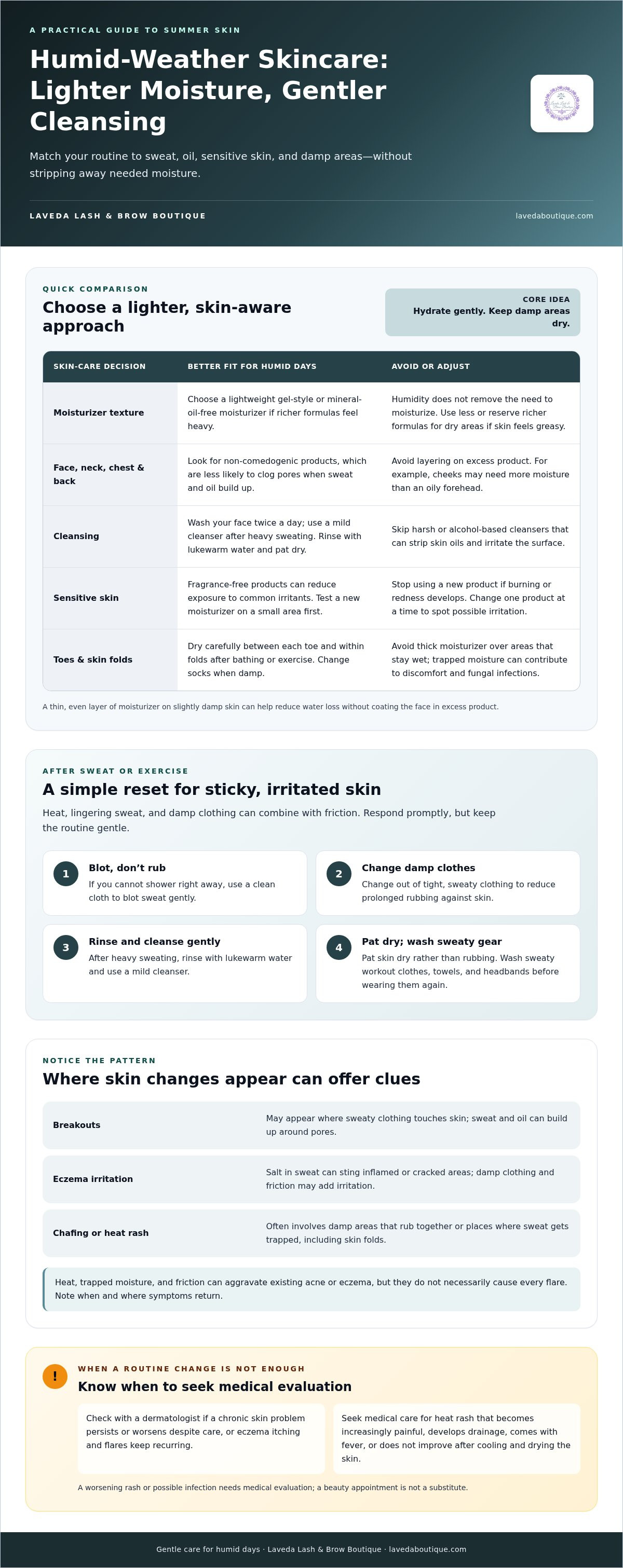
DC’s summer heat and humidity can increase sweat and oil, clog pores, and aggravate eczema-prone or sensitive skin. To understand how to combat DC summer humidity skin issues, blot sweat instead of rubbing, cleanse gently after heavy sweating, and moisturize with a formula suited to your skin. Keep damp skin folds dry, too, to help limit friction and discomfort.
It’s frustrating when the weather seems to undo a careful skincare routine. Sweat can sting irritated skin, while damp clothing and repeated friction may add to the problem. Small, consistent adjustments can help protect your skin without over-cleansing or stripping its moisture barrier.
Read on to learn how summer conditions affect acne-prone, eczema-prone, and sensitive skin, and how to adapt moisturizing, bathing, and clothing habits. You’ll also find practical ways to reduce chafing and recognize when persistent or worsening symptoms need medical attention.
Table of Contents
1. Effects of summer heat, humidity, and sweat on chronic skin conditions
Washington, D.C.’s humid summer weather can make sweat linger on the skin rather than evaporate quickly. Trapped moisture, heat, and friction can leave skin feeling sticky and uncomfortable. Sweat and skin oil may build up around pores and contribute to blemishes. For people with eczema, salt in sweat can sting inflamed or cracked areas and intensify irritation.
Humidity can also lead to more sweating as the body tries to cool itself. Damp clothing then rubs against the skin, increasing friction around the waist, thighs, underarms, and other skin folds. Heat rash may develop where sweat gets trapped, while prolonged dampness can contribute to bacterial infections. These conditions can aggravate existing acne or eczema, though they do not necessarily cause every flare.
Common skin problems triggered or worsened by Washington, D.C., summer humidity include clogged pores and acne, eczema flares, heat rash, chafing, and some skin infections. The location and pattern can offer clues: breakouts may appear where sweaty clothing touches the skin, while chafing often affects damp areas that rub together.
After a workout or extended time in the heat, change out of tight, sweaty clothes and rinse with lukewarm water. A shower helps remove sweat and oil. Use a mild cleanser, then pat your skin dry rather than rubbing. If you can’t shower right away, blot sweat with a clean cloth. Wash sweaty workout clothes, towels, and headbands before wearing them again.
See a dermatologist if a chronic skin problem persists or worsens despite care, or if eczema itching and flares keep recurring. Seek medical care for heat rash that becomes increasingly painful, develops drainage, comes with fever, or doesn’t improve after cooling and drying the skin. These changes call for more than a routine adjustment to your summer skincare.
For local care in Washington, D.C., or Arlington, VA, use your health plan’s directory to find dermatologists in the area, or ask your primary care office about a referral. If symptoms feel urgent, contact a medical service that can assess them. A beauty appointment isn’t a substitute for medical evaluation of a worsening rash or infection.
Yes, humidity can worsen both eczema and acne. Sweat, heat, and clogged pores can aggravate acne, while salty sweat and damp clothing can irritate eczema-prone skin. Persistent itching or frequent flares may mean your treatment plan needs adjustment. A clinician can consider your symptoms, current medications, and skin response when discussing treatment changes.
Keep your skin more comfortable by responding to sweat promptly and reducing prolonged friction. For example, change after exercise, rinse away heavy sweat, and pat your skin dry. If symptoms repeatedly return or intensify, note where and when they occur. Those details can help a dermatologist assess whether heat, moisture, clothing, or an existing condition is contributing.
2. Moisturizing in humid weather
Humidity doesn’t eliminate the need for moisturizer. Instead, choose a texture that hydrates without leaving a heavy film. Gel-style or mineral-oil-free moisturizers may feel more comfortable in humid weather, especially if richer products feel heavy. For your face, neck, chest, and back, look for non-comedogenic products, which are less likely to clog pores when sweat and oil are already building up. Supporting overall hydration from the inside out is just as valuable during high heat, with water purification specialists like PureH2O Ltd designing advanced home filtration systems to ensure fresh, clean drinking water.
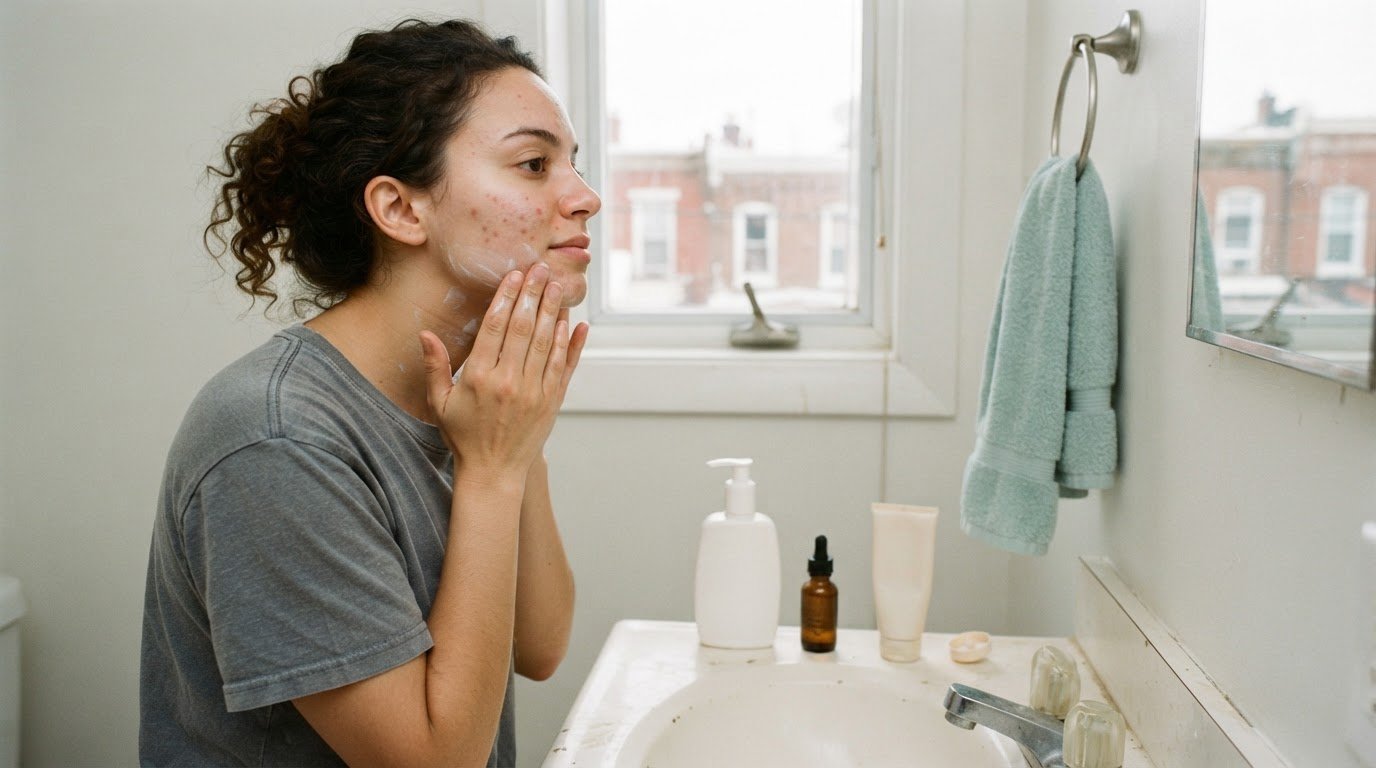
Start with gentle cleansing. Wash your face twice a day to manage sweat and oil buildup, and use a mild cleanser after heavy sweating. The American Academy of Dermatology recommends gentle cleansing and oil-free products for oily skin rather than harsh or alcohol-based cleansers. Strong cleansers can strip skin oils and irritate the surface, making a simple routine harder to maintain. Use lukewarm water, rinse thoroughly, and pat dry with a clean towel.
Apply moisturizer after cleansing while your skin still feels slightly damp. A thin, even layer helps reduce water loss without coating your face in excess product. If your skin feels greasy by midday, use less or reserve richer formulas for dry areas. For example, your cheeks may need more moisture than an oily forehead. Change one product at a time so you can identify whether a new cleanser or moisturizer causes irritation.
Warm, damp conditions can affect areas beyond the face. Moisture trapped between toes or inside skin folds can contribute to fungal infections and discomfort. Dry carefully between each toe and within folds after bathing or exercise. Change socks when they become damp, and avoid layering thick moisturizer over areas that stay wet. Use lightweight products on dry skin, while prioritizing careful drying in persistently damp areas.
For sensitive skin, fragrance-free products can reduce exposure to common irritants. Test a new moisturizer on a small area first, and stop using it if burning or redness develops. People managing chronic skin conditions should cleanse and moisturize regularly, but the right texture depends on their skin and the weather. If an over-the-counter treatment leaves your skin persistently irritated, pause and discuss your routine with a dermatologist. A simple combination of mild cleanser, lightweight moisturizer, and targeted treatment is easier to adjust as DC’s humidity and daily activity change.
3. Washington, DC summer heat, humidity, and eczema flares
Washington, D.C. summer temperatures in the upper 80s and 90s can worsen eczema through sweat, heat rash, and friction in skin folds. Sweat can sting inflamed skin, while damp clothing rubbing against it adds irritation. Learning how to combat DC summer humidity skin issues starts with noticing which conditions precede a flare. Record whether symptoms follow an outdoor commute, exercise, or a long period in tight clothing.
Use those patterns to plan outdoor time and clothing. People with eczema who sweat heavily are advised to stay indoors during the hottest part of the day, typically from 10 a.m. to 4 p.m. If you go out, select loose, lightweight, breathable garments where possible. Change damp clothes and cool your skin after returning indoors. Fans, cool showers, and air-conditioning can help keep skin cool and reduce the risk of prickly heat.
Heat rash may appear where sweat gets trapped, including beneath close-fitting clothing or in skin folds. Keep affected areas cool and dry, and avoid extra friction from tight waistbands or rough seams. A practical approach to combating DC summer humidity skin issues also considers the clothes you wear during daily routines. For a humid walk, for example, choose a breathable shirt and change after sweating.
Watch how the rash responds after you cool and dry the skin. Seek medical care if it becomes increasingly painful, develops drainage, comes with fever, or doesn’t improve after cooling and drying. Frequent eczema flares or persistent itching may also mean your treatment plan needs adjustment. Note when symptoms began and which areas are affected to give a dermatologist useful context.
For eczema care, apply a thick, fragrance-free moisturizer at least twice each day. Keep showers brief, around 5-10 minutes, and use lukewarm water. Prolonged exposure to high temperatures may contribute to fine lines, wrinkles, and uneven skin tone, so include shade and cooling breaks during extended outdoor activity. These steps address comfort and skin care without treating a beauty routine as medical care.
Humidity isn’t itself an allergic reaction, but heat, sweat, and damp clothing can trigger eczema. If symptoms change after wearing a particular fabric or using a new product, note that alongside the weather and your activity. A repeated pattern can help distinguish a likely trigger from coincidence. Discuss ongoing or worsening symptoms with a dermatologist, especially if everyday adjustments haven’t eased the flare.
4. Drying skin folds and protecting against chafing
In humid weather, sweat can collect where skin touches skin, such as under the breasts, between the thighs, or within abdominal folds. This moisture softens the surface and makes rubbing more uncomfortable. After bathing or exercise, gently pat each fold dry with a clean towel. If irritated folds remain damp, use a blow-dryer on a cool setting and keep it moving. Dry carefully between your toes as well, where trapped moisture can contribute to fungal infections.
Reduce friction before activity. Choose loose, breathable clothing, or moisture-wicking, athletic compression-style garments that limit rubbing during a walk or workout. Change out of damp clothing promptly, then check areas prone to chafing. Avoid rubbing irritated skin with a towel, which can further disturb the skin barrier. Keeping folds dry and clothing comfortable helps avoid trapped moisture while supporting your skin.
Outdoor protection matters alongside fold care. Use broad-spectrum, water-resistant sunscreen with SPF 30 or higher on exposed skin. Reapply every two hours, and after swimming or sweating. Sun-protective clothing with a UPF rating of 50+ adds coverage for areas that are difficult to protect with sunscreen alone. Even cloud cover doesn’t eliminate exposure: up to 80% of ultraviolet rays can penetrate clouds.
Make sun protection part of your summer skincare routine. Apply sunscreen to exposed areas before outdoor activity, including your neck, ears, and the backs of your hands. If you’re prone to breakouts, choose oil-free sunscreen labeled non-comedogenic, which is less likely to clog pores. An antioxidant product may be part of your routine, but it shouldn’t replace sunscreen, shade, or protective clothing. Keep those measures central when spending time outdoors.
After swimming or heavy sweating, rinse your skin and reapply sunscreen as directed. Dry folds and toes thoroughly before getting dressed, then choose clean, breathable clothing. This routine addresses two distinct summer concerns: ultraviolet exposure on uncovered skin and friction where damp surfaces meet. If chafing continues, identify the seams, tight bands, or activity that repeatedly irritates the area. Adjusting that specific source can help protect your skin while keeping the rest of your routine simple.
Careful drying between your toes and within skin folds also helps prevent fungal infections. Give these areas attention whenever moisture has collected.
5. Eczema and sensitive skin in summer
Summer can challenge sensitive skin through several triggers at once: sweat, heat, tight clothing, pool water, and fragranced products. Frequent showers and harsh soaps can add irritation by stripping the skin’s protective oils. A flare doesn’t automatically mean an allergic reaction. Note where symptoms appear and what happened beforehand, such as swimming, exercising, or trying a new cleanser.
Chlorinated pool water may irritate eczema-prone skin. After swimming, shower with clean water and moisturize while your skin is damp. Avoid washing your whole body with soap multiple times a day, since repeated cleansing can damage the skin barrier. If a new product causes burning or a rash, stop using it and compare the reaction with your usual symptoms. That distinction can help identify a product trigger.
Protect sensitive skin outdoors with broad-spectrum, fragrance-free sunscreen. Choose a formula comfortable enough to use as part of your daily routine. Some prescription and over-the-counter medications can increase sun sensitivity, so follow the instructions provided with your treatment. Keep your fingernails short if scratching is a concern. Scratches can break the skin, worsen eczema symptoms, and create openings for bacteria.
Persistent itching or frequent flares can mean your treatment plan needs adjustment. A health care provider or dermatologist may consider your symptoms, current medications, and skin response when discussing targeted care. Options can include medicated creams or ointments, antihistamines, antibiotics, biologics, or other prescription medications. The appropriate treatment depends on the condition being addressed, not simply on the season.
Contact a primary care physician or dermatologist if symptoms persist or worsen despite treatment and daily care. Track when flares occur, affected areas, products used, and possible triggers such as heat, sweat, or fragranced detergent. These details can help a clinician assess your skin. For everyday care, focus on gentle cleansing, moisturizing promptly after bathing, breathable clothing, and sunscreen. If eczema symptoms change suddenly after a new product, describe the timing and appearance rather than assuming it was an allergic reaction.
Laveda Lash & Brow Boutique: Lash Extensions
Laveda Lash & Brow Boutique offers Lash Extensions and Brow Lamination for those looking to refine their beauty routine alongside summer skincare. These services don’t treat eczema, acne, heat rash, or chafing, so keep skin care and medical advice focused on those concerns. If your skin feels comfortable and you’re considering a polished lash or brow look, explore the option that suits your style. Continue your established skincare routine, especially after time outdoors or sweating, and don’t treat a beauty service as a substitute for skin care. Book Lash Extensions or Brow Lamination at Laveda Lash & Brow Boutique in Washington, D.C., or Arlington, VA.
Build a routine that adapts with the season
Summer skincare doesn’t need to become a constant cycle of trying new products. Let comfort, consistency, and your skin’s response guide your next adjustment. Understanding how to combat DC summer humidity skin issues can help you make deliberate choices instead of reacting to every change in the weather.
As your schedule shifts between outdoor plans and indoor routines, keep your approach flexible. Notice what feels sustainable and what leaves your skin uncomfortable. If symptoms persist or worsen, make medical guidance your next step rather than relying on beauty services to address a skin condition.
For a separate beauty refresh, Laveda Lash & Brow Boutique offers Lash Extensions, Lash Lift, and Mani Pedi. Contact Laveda Lash & Brow Boutique to explore these services.
Choose a next step that feels right for you, and keep your routine thoughtful and comfortable.
Frequently Asked Questions
How does climate affect your skin?
Climate affects how much heat, moisture, and friction your skin experiences. In humid Washington, D.C., summers, sweat and oil can linger; cold, dry winter air can leave skin feeling drier. Both extreme heat and cold can aggravate chronic conditions such as eczema and rosacea. Notice whether symptoms shift with outdoor temperatures, indoor air-conditioning, or seasonal clothing, then adapt your daily routine to those specific conditions.
How does DC summer humidity affect acne, eczema, heat rash, and fungal skin infections?
Humidity encourages sweating and can leave oil and sweat around pores, contributing to acne and body breakouts. Salt in sweat may sting inflamed eczema, while damp clothing and skin folds add friction. Heat rash can appear where sweat gets trapped. Persistently moist areas, including between the toes, can also create conditions associated with fungal infections. After swimming or exercise, pay attention to damp areas that stay covered by clothing.
What daily skincare routine helps prevent clogged pores and irritation in humid weather?
Keep your routine simple: cleanse your face twice daily, then use products labeled non-comedogenic if clogged pores are a concern. After heavy sweating, wash with a mild cleanser rather than scrubbing or using an alcohol-based formula. If you exercise before work, rinse afterward, change into clean clothes, and avoid layering several new products at once. For eczema-prone skin, keep moisturizing regularly instead of skipping hydration because the air feels damp.
Which lightweight moisturizers and sunscreens work best for hot, humid weather?
Try a gel-style or mineral-oil-free moisturizer if heavier creams feel uncomfortable, and choose non-comedogenic products for acne-prone areas. For outdoor use, select broad-spectrum, water-resistant sunscreen with SPF 30 or higher. Reapply every two hours, or after swimming or sweating. If you manage eczema, a fragrance-free sunscreen may better suit sensitive skin. A product’s texture and your skin’s response help determine whether it fits your daily routine.
How often should you cleanse and shower after sweating in DC summer heat?
Wash your face twice a day to manage oil and sweat, and cleanse gently after heavy sweating. After a workout or extended heat exposure, rinse with lukewarm water and change out of sweaty clothing. If you have eczema, keep showers to 5-10 minutes and avoid hot water. After swimming, rinse away pool water, but don’t soap your entire body repeatedly throughout the day, since frequent washing can disrupt the skin barrier.
How can you prevent and treat heat rash and chafing in humid conditions?
Reduce heat and rubbing by choosing breathable clothing, cooling your skin, and drying damp folds carefully. If an irritated fold remains moist, pat it with a towel, then use a blow-dryer on a cool setting. Heat rash should improve after cooling and drying. Seek medical care if it becomes increasingly painful, develops drainage, comes with fever, or doesn’t improve. For recurring chafing, identify the garment or activity that repeatedly rubs the same area.

Comments