
Benefits of a Dry Pedicure in Arlington, VA for Callus Care

A foot soak isn’t required for careful callus care. The benefits of a dry pedicure in Arlington, VA include focused callus work without soaking and no shared footbath, removing that source of cross-contamination. A dry pedicure can be a comfortable alternative if you prefer to skip the basin.
It’s reasonable to wonder whether a pedicure without soaking can still feel thorough and relaxing. It can include exfoliation, callus care, cuticle work, nail shaping, and polish, with treatment products used instead of a water bath.
Read on to learn how a professional dry pedicure addresses callused skin, what changes when there’s no soak, and how the service can offer comfort without a basin. You’ll also see what to expect and when a dry approach may suit your preferences.
Table of Contents
Callus and dry-skin care
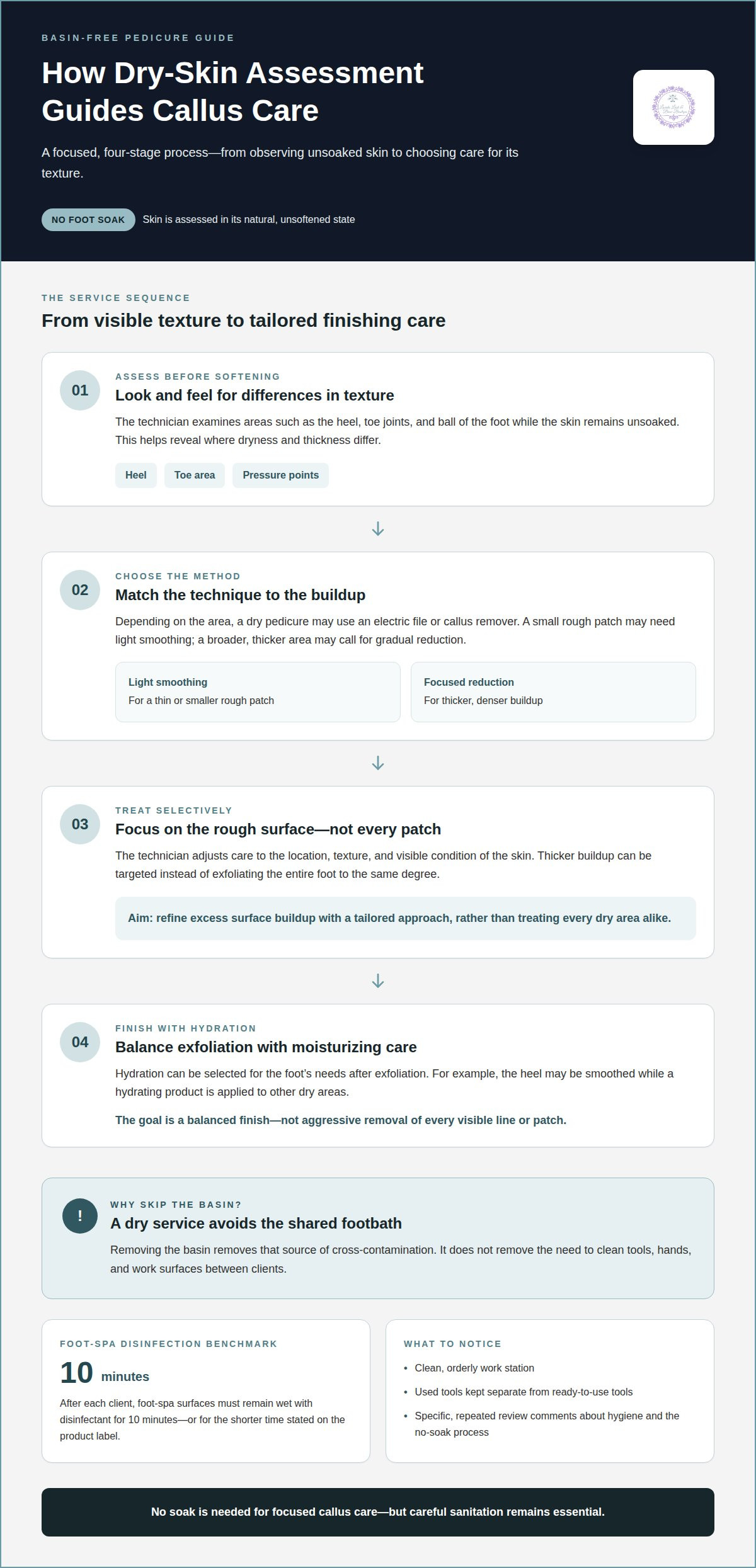
A dry pedicure gives the professional a direct view of callused skin before water changes its texture. Without a foot soak, areas such as the heel edge, ball of the foot, or outer toe remain in their natural state during assessment. This helps the technician judge where skin is thickened and choose a suitable technique, rather than working on skin that has been temporarily softened.
Callus care isn’t one-size-fits-all. A small rough patch near the heel may need light smoothing, while a broader, thicker area may call for gradual reduction. The goal is to refine excess surface buildup without treating every dry patch as if it needs the same degree of exfoliation. A professional can adjust the approach to the location, texture, and visible condition of the skin.
How dry-skin assessment shapes the service
The process starts with a visual and tactile assessment of areas such as the heel, toe joints, and ball of the foot. Dry skin can make differences in texture easier to evaluate because it hasn’t been softened by soaking. The technician then selects an appropriate method. Dry pedicures may use an electric file or callus remover to smooth rough skin, depending on the area being treated.
For light callus smoothing, the professional focuses on the rough surface and works selectively. A thin, dry patch at the heel may need less attention than a dense area beneath the ball of the foot. For callus reduction, the technician can target thicker buildup instead of exfoliating the entire foot to the same degree. This tailored approach keeps treatment focused on the client’s actual skin texture.
Assessment: Examine the heel, toe area, and pressure points for differences in dryness and thickness.
Technique: Choose targeted smoothing or more focused reduction based on the visible buildup.
Finishing care: Apply hydration suited to the skin’s needs after exfoliation.
Hydration matters alongside exfoliation. A dry pedicure can pair personalized exfoliation with moisturizing treatment, giving rough areas attention without neglecting the surrounding skin. For example, a technician may smooth the heel while applying a hydrating product to other dry areas. The goal is a balanced finish, not aggressive removal of every visible line or patch.
Soaking isn’t necessary for everyone’s comfort. People with diabetes are advised to avoid prolonged foot soaking because softened skin may be injured. A dry approach avoids the soak and allows callus care on unsoftened skin. The benefits of a dry pedicure in Arlington, VA include focused assessment, adjustable callus care, and hydration selected for the foot’s condition.
Foot-bath hygiene and cross-contamination
A waterless service removes the shared footbath from the pedicure process, but hygiene still depends on clean tools and work surfaces. When comparing Arlington, VA salons, distinguish the risks associated with a basin from the sanitation practices used throughout the appointment.
Hygiene and Infection Risk
Shared salon footbaths can harbor bacteria or fungi, which may increase infection risk. A dry pedicure avoids the basin and its associated shared-footbath risk, but that doesn’t make every part of the service risk-free. Tools, hands, and surfaces still need appropriate cleaning between clients. People with a history of fungal infections or weakened immune systems may consider avoiding a shared footbath.
For Virginia licensing, salon licensing and footbath sanitation are separate concerns. The specific sanitation benchmark stated here comes from the U.S. Environmental Protection Agency: after each client, foot spa surfaces must remain wet with disinfectant for 10 minutes or the shorter time stated on the label. The product label’s contact-time instruction matters; spraying and immediately wiping a surface may not provide that stated wet-contact time.
When comparing reviews for dry pedicures at Arlington, VA salons, look for recurring comments about clean stations, careful tool handling, and staff explaining the service. Reviews describe customers’ experiences, but don’t establish licensing status or prove sanitation procedures. Specific, consistent descriptions are more useful than a single broad rating.
Waterless Pedicure Hygiene
A waterless pedicure removes one shared basin from the service, not the need for careful sanitation. The technician still handles tools and works at a station, so both need attention between appointments. A clean, orderly setup and clear separation between used and ready-to-use tools are practical details to notice during your visit.
To identify Arlington salons offering dry or waterless pedicures, look for service descriptions that explicitly say the feet aren’t soaked in a basin. A standard pedicure listing alone doesn’t establish whether the service is waterless. Read the salon’s service details and look for customer comments describing the actual no-soak process, rather than relying on a general mention of pedicures.
Footbath: A dry service skips the shared basin.
Disinfection: Follow the disinfectant label’s stated contact time.
Reviews: Look for specific, repeated comments about hygiene and the dry-pedicure process.
These distinctions set realistic expectations: waterless care removes footbath exposure, while clean tools and stations remain essential to a professional service.
Will I Miss the Soaking Part?
No basin doesn’t mean skipping the core details of a pedicure. A dry service can include nail shaping, cuticle work, exfoliation, and polish. The professional can trim and shape each toenail as part of the finish, considering its length and natural edge. The result is a polished look without soaking first.
Toenail trimming also calls for restraint. Cutting too deeply into a corner or removing more length than needed can leave the nail edge uncomfortable. A careful service focuses on a neat, even shape rather than digging into the sides. This supports comfortable grooming, but a cosmetic pedicure cannot guarantee prevention or treat an existing ingrown nail. Pain, swelling, or a nail edge growing into skin calls for medical care.
Polish is another reason some clients prefer a dry technique. Toenails can temporarily expand during soaking, then return toward their usual shape as they dry. Applying polish while nails are water-softened may affect how it sits afterward. A dry pedicure avoids that soak-related change, which may help polish adhere more evenly and last longer. It doesn’t guarantee a chip-free finish, since nail condition and daily wear also matter.
Choosing products with care
“Low-tox” is a broad marketing phrase, not a description of the dry-pedicure method itself. Skipping the basin doesn’t establish what a service’s lotions, oils, or polish contain. If product ingredients matter to you, use the ingredient label and your own sensitivities as practical guides. For example, fragrance preference is separate from whether your feet are soaked.
A polished finish depends on more than the product name. The nail surface needs to be prepared for polish, and the application should suit the nail’s condition. A dry service may use lotions, oils, and manual exfoliation to care for feet without a basin. These products serve different purposes from polish, so don’t assume a moisturizing treatment determines the color formula or how long it wears.
Trimming: Aim for a neat, comfortable nail shape, not aggressive corner cutting.
Polish: Applying it without soaking avoids temporary water-related nail expansion.
Products: Assess ingredient labels separately from the waterless technique.
Soaking is a familiar ritual, but it isn’t essential to these steps. A dry pedicure can combine nail shaping and polish with foot care, while keeping the service focused on your preferred finish. Choose the approach that suits your comfort and product preferences, and treat persistent nail pain as separate from cosmetic grooming.
Comfort and relaxation without a basin
A foot basin is only one part of a relaxing pedicure. In a dry service, warm towels, treatment products, massage, and other pampering can create a comfortable experience without soaking. The professional can use these touches while your feet remain accessible for nail care and skin treatments. If you dislike sitting with your feet in water, removing the basin changes the experience without removing the opportunity to unwind.
Warm towels offer a simple way to begin. A technician may use one to warm your feet before applying lotion or oil, then continue with massage or focused treatment. The towel provides warmth without a footbath. The order can also vary, such as applying a treatment product before massage, depending on the care being performed.
Massage can make a basin-free appointment feel restorative, while treatment products add a tactile element. For example, lotion or oil can accompany a gentle massage after exfoliation. These steps replace the soaking ritual with direct, hands-on care. They also let the professional focus on specific areas instead of making time in a basin the central feature of the appointment.
Warmth: A warm towel can prepare the feet for hands-on care.
Comfort: Lotion or oil can accompany massage and skin treatment.
Personalization: The professional can focus pampering on the steps included in the service.
Comfort also depends on your preferences at each step. If you find warm towels soothing, you may appreciate that touch; if not, you may prefer a shorter pause and more focus on massage. A professional can move between treatment, nail care, and relaxation without requiring a water soak. The basin-free format offers a different way to structure the appointment, not a single fixed ritual.
Choose the experience that suits your comfort. If you enjoy a traditional soak, a dry pedicure will feel different because it skips that familiar step. If you prefer to keep your feet out of a shared basin, warm towels and massage can still add a relaxing element. The balance of care and pampering depends on the service sequence and treatments used, not on soaking alone.
What to expect during professional dry pedicure service steps
A professional dry pedicure follows a clear sequence, from assessing your feet to finishing your nails. The technician works without a water basin, so each step can respond to the skin and nail condition visible during the appointment. Knowing the process helps you understand what the service includes and where personalization matters.
Discuss preferences and focus areas. The appointment begins with a brief conversation about your desired finish. Mention whether you want polish, focused callus care, or a lighter touch around sensitive areas. This helps the technician plan the order and emphasis of the service.
Assess the feet and nails. The technician examines the toenails, cuticles, heels, and pressure areas before choosing a technique. For example, a dry patch at the heel may need different attention than rough skin near a toe. Nail length and shape also guide trimming and filing.
Prepare the nails. The technician shapes the toenails and performs cuticle work as appropriate. Each nail is handled individually, rather than treated as part of a soak-and-soften routine. If polish is part of your chosen finish, the nail surface is prepared for application.
Address rough skin selectively. Callus care focuses on areas identified during the assessment. Depending on texture, a technician may use a callus remover or electric file to smooth buildup. The aim is targeted refinement, not identical treatment across the heel, ball of the foot, and toes.
Apply finishing care. Exfoliation and hydration products can complete the foot treatment. Warm towels, lotion, or oil may also be incorporated, followed by massage when included in the service. If you choose color, polish is applied after nail preparation.
These steps aren’t a rigid script. If you’re focused on toenail shaping, the technician may give more attention to nail edges; if rough heels are your priority, they may focus more on targeted skin care. The assessment helps determine which areas receive attention and how the sequence flows. Product choices and your requested finish also shape the appointment.
Expect the professional to explain the approach as the service progresses, especially when moving from nail care to callus smoothing. Clear communication helps keep pressure and focus aligned with your comfort. The key takeaway is simple: a dry pedicure is a series of tailored steps, not merely a traditional pedicure with the basin removed.
Laveda Lash & Brow Boutique: Mani Pedi
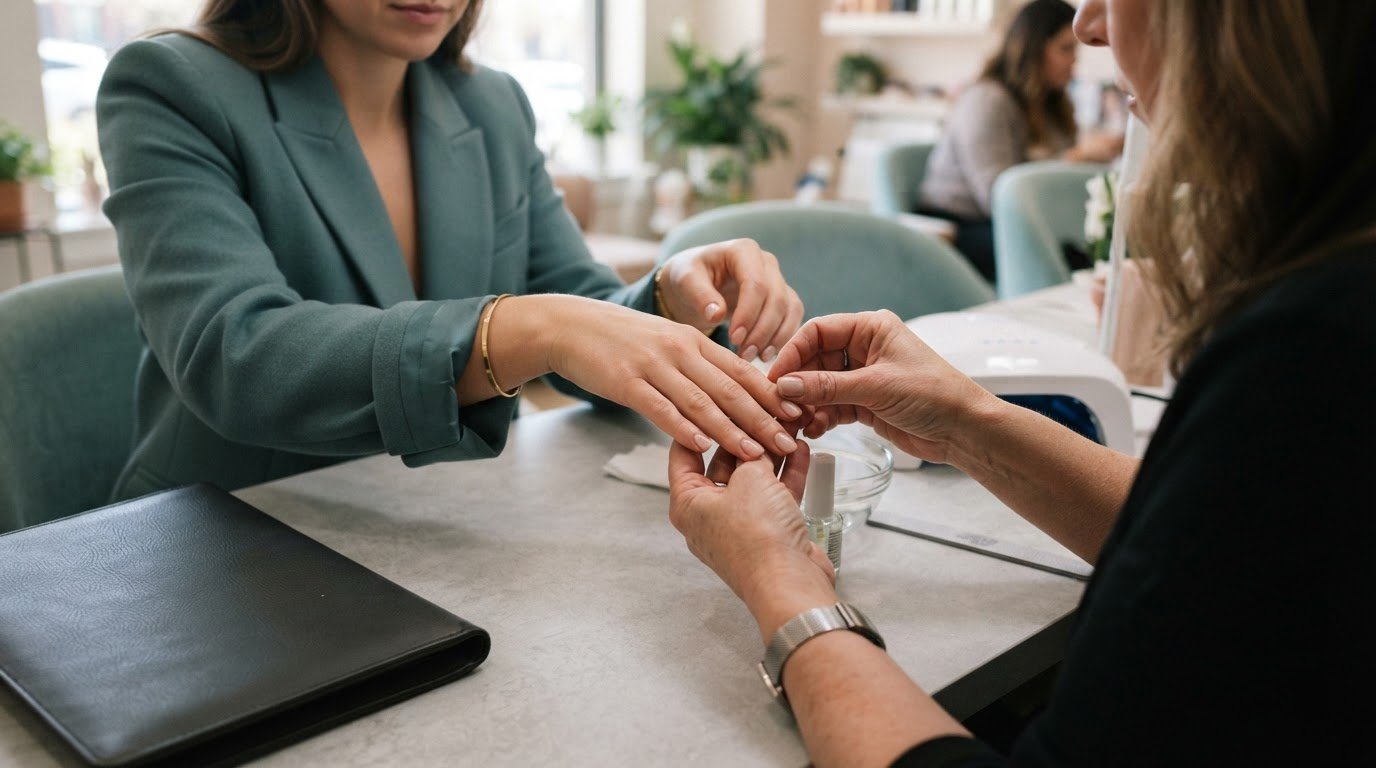
Laveda Lash & Brow Boutique offers Mani Pedi services for clients seeking professional nail and foot care. If a basin-free approach and attentive callus care match your preferences, a Mani Pedi is the natural next step. The treatment approach can be shaped around the areas you want addressed, such as nail grooming or rough skin, while keeping comfort in view.
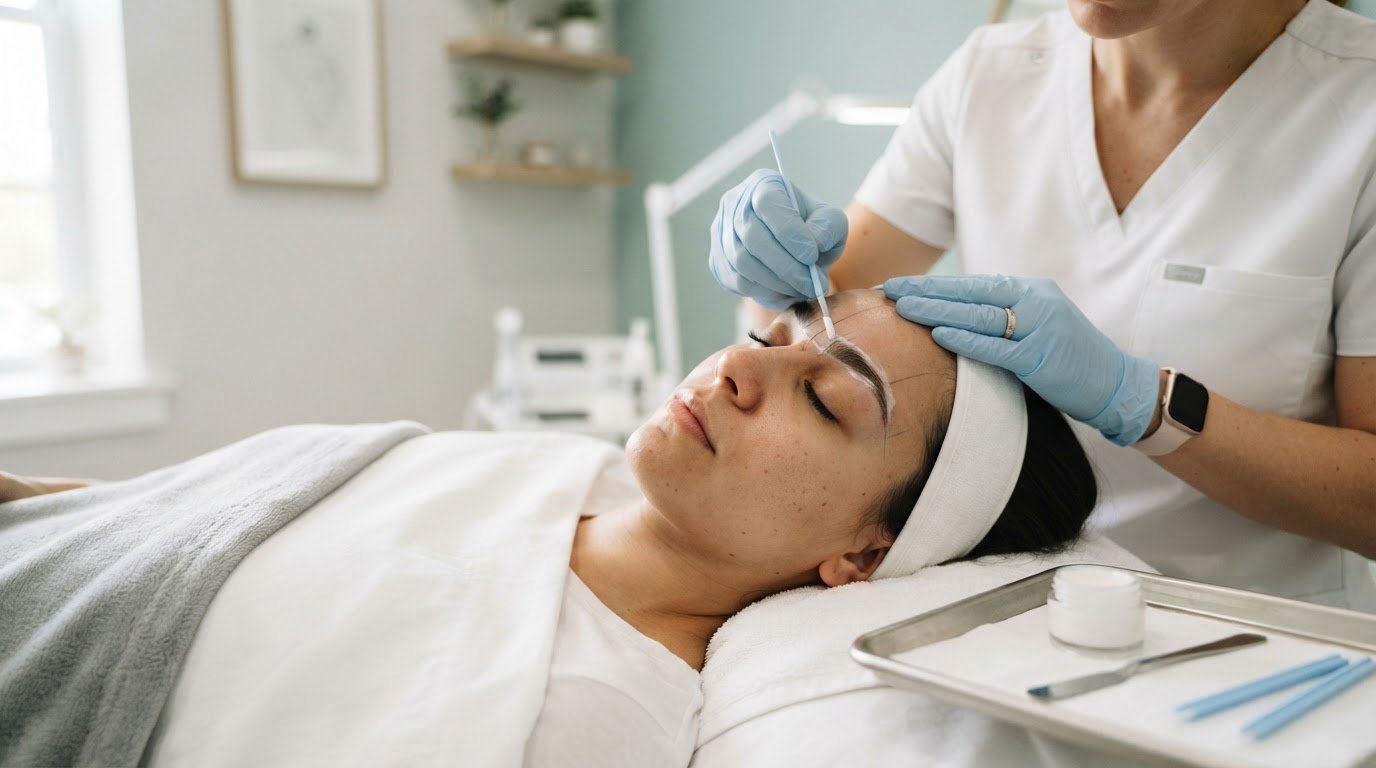
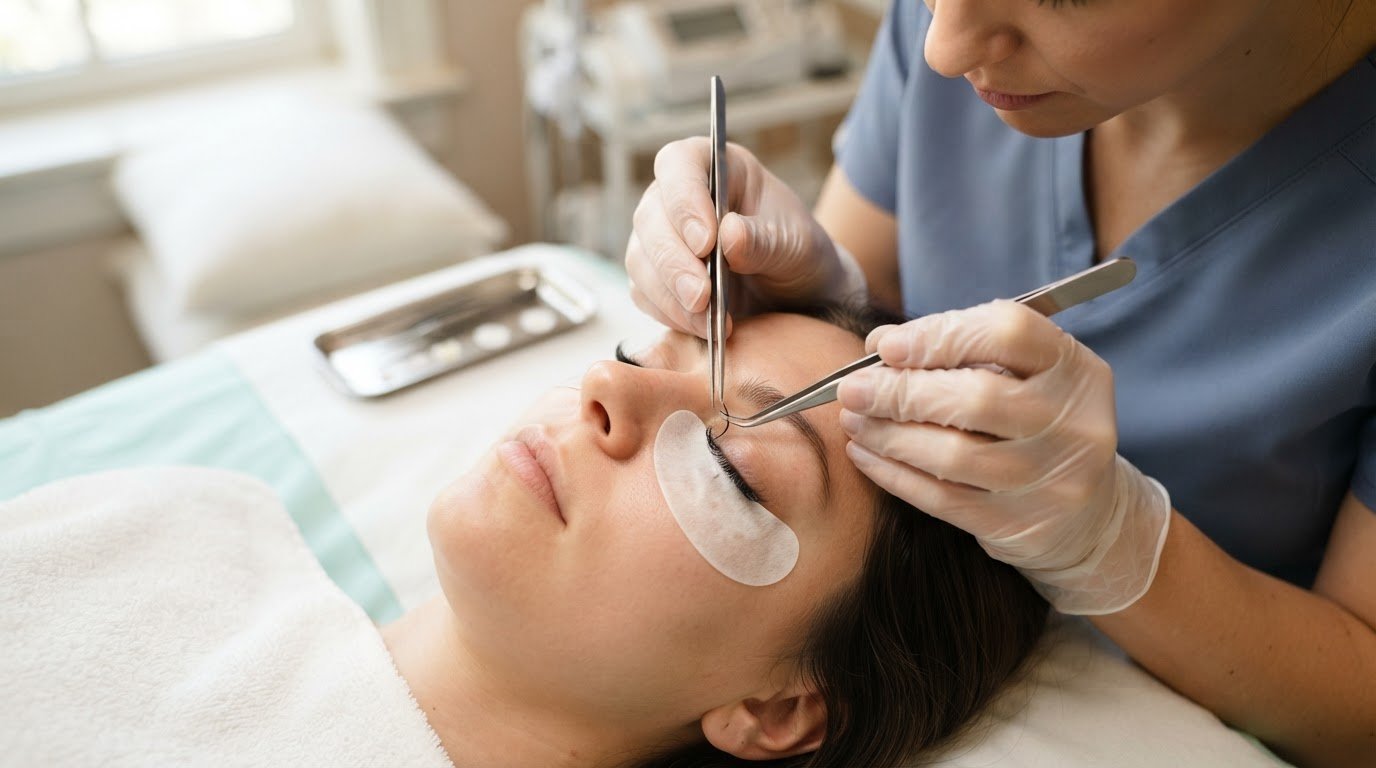
Choose this service when you’re ready to move from learning about dry-pedicure care to a professional appointment. Share your priorities, including your preferred finish and any areas needing extra attention. For a coordinated beauty appointment, the boutique also offers Lash Extensions and Brow Lamination.
Contact Laveda Lash & Brow Boutique to discuss your Mani Pedi appointment.
Choose Your Next Step With Confidence
Your next appointment can reflect the care you value, whether that means focused foot grooming or a broader beauty service. If the benefits of a dry pedicure in Arlington, VA align with your preferences, share your priorities and choose the finish that feels right for you.
Laveda Lash & Brow Boutique offers Mani Pedi services, along with Lash Extensions and Lash Lift. Select the service that fits your plans, then take the next step at a pace that feels comfortable.
Contact Laveda Lash & Brow Boutique to discuss your appointment. A considered choice is a strong start toward a polished, comfortable experience.
Frequently Asked Questions
Is a Dry Pedicure Safe?
A dry pedicure can suit routine cosmetic grooming when performed with clean tools and careful technique. Skipping a shared basin removes that particular exposure, but doesn’t replace sanitation of tools and work surfaces. If you have an open sore, a visible skin infection, or unexplained foot pain, postpone cosmetic treatment and seek medical guidance rather than treating the area as ordinary callus care.
Who Can Benefit from a Dry Pedicure?
A dry pedicure may suit people who prefer not to soak, want focused attention on a rough area, or dislike the feel of a foot basin. It can also work for clients who want nail shaping and polish in one appointment. Consider your comfort with hands-on skin care and the service’s product choices when deciding whether the no-soak format suits you.
Why Choose a Dry Pedicure?
Choose a dry pedicure when you want direct nail and skin care rather than a soak. For example, if you prefer a quicker transition into grooming or want attention concentrated on one area, the technician can focus the appointment accordingly. A basin-free service also avoids the shared footbath, but it doesn’t replace clean tools or guarantee a medical outcome.
What is a dry pedicure and how is it performed?
A dry pedicure is a professional foot and nail service performed without soaking your feet in a basin. The technician assesses your nails and skin, then carries out the selected grooming and cosmetic steps. You can state your preferred nail shape, polish choice, and areas of focus before treatment begins. That conversation helps the professional tailor the sequence to your requested finish.
What are the benefits of a dry pedicure compared with a traditional water-soak pedicure?
A dry pedicure offers a no-basin alternative for clients who prefer to avoid soaking or shared footbaths. It also lets the technician assess skin before water softens it. A traditional soak may feel familiar and relaxing, while a dry service can use towels, products, and massage instead. The choice comes down to your preferred experience, skin-care needs, and desired treatment approach.
Does a dry pedicure help polish last longer or improve nail health?
Polish may last longer after a dry pedicure because toenails aren’t temporarily expanded by soaking before application. That doesn’t establish improved nail health: polish is cosmetic, and a pedicure doesn’t diagnose or treat nail conditions. Changes in nail color, texture, or shape are different from a polish concern and shouldn’t be masked as a cosmetic issue.
What are the risks or drawbacks of a dry pedicure?
The main tradeoff is the missing soak, which some clients enjoy as part of the traditional ritual. Dry care still involves tools and skin treatments, so overly aggressive smoothing can leave skin uncomfortable. The service is cosmetic, not medical, and doesn’t diagnose foot problems. If you have active irritation or a foot concern, explain it before treatment so the area isn’t mistaken for routine rough skin.
Is a dry pedicure safe for people with diabetes, circulation problems, or sensitive skin?
People with diabetes should avoid prolonged foot soaking because softened skin may be injured. A dry service removes the soak but doesn’t assess diabetes-related changes or circulation problems. If you have circulation concerns or sensitive skin, discuss cosmetic foot care with your healthcare professional, especially before callus reduction or exfoliation. Tell the technician about sensitivities so products and pressure can be considered during the appointment.
What makes wordle today distinctive is not only its central objective. It also provides a consistent framework for everyone who takes part. Every player faces the same challenge and receives the same number of guesses.