
Arlington VA Beauty Boutique Reviews: Service and Results

A beautiful result matters, but so does the experience behind it. Arlington VA beauty boutique reviews can help you understand how clients describe service, results, and the way an appointment made them feel. Each review is one person’s account, not a promise that you’ll have the same experience.
It’s sensible to look beyond polished photos when choosing a beauty service. Clear communication, attentive care, and results that suit the client all shape how an appointment is remembered.
This article explains what to look for in reviews, how to interpret comments about service and results, and why expectations matter when assessing feedback. You’ll also get a focused view of the services available at a local beauty boutique, so you can connect the review themes to the appointment you’re considering.
Table of Contents
Customer service experiences
Customer service reviews can show how a boutique handles communication, concerns, and follow-up. Read specific examples alongside star ratings, product comments, and appointment details.
Ratings and Recommendations
A star rating gives a quick impression, but the written review explains what shaped it. Look for details about the consultation, timing, and response to concerns. Recommendations are more useful when they explain the service and why the client returned, rather than offering praise without context.
Distinguish one person’s experience from a pattern across reviews. Several detailed comments about clear explanations may point to a recurring strength. A brief rating alone won’t tell you whether the appointment met the client’s expectations or how the boutique handled a problem.
Praise and Criticism
Specific service concerns deserve close attention. A Beauty Boutique reviewer reported that their 86-year-old mother received a refund as an online-use card rather than a check on January 16, 2026. Another reviewer reported a 75-point drop on their credit report after a hard inquiry associated with an order. These accounts concern refund handling and credit impact, not beauty results.
A separate Beauty Boutique customer said they were 83 years old and did not care to use the internet on April 29, 2026. Read such comments for the practical issue described: whether communication and resolution suited that customer. Don’t treat an individual account as proof that every boutique handles a similar situation the same way.
Appointment and cancellation terms depend on each boutique’s booking policy. Read the stated reservation and cancellation conditions before selecting an appointment, since those details determine how changes are handled.
Metro access and parking depend on the location. Use the specific address to assess the route from a Metro station and available parking, since both can vary between businesses.
Product testimonials may describe texture, ease of use, or how a product fits into someone’s routine. Treat these as personal impressions, not universal results. A review that names the product and explains how it was used gives more context than a brief “loved it.” Note whether the comment is about the product or the service that introduced it.
Feedback on makeup tutorials is most useful when it identifies a learning outcome. Look for comments about whether the steps were easy to follow, the instructor explained product placement, and the viewer could repeat a technique. “Helpful” gives little detail; a specific technique learned is more informative. Reviews can help set expectations, but they describe individual experiences, not guaranteed results.
Reported confidence and appearance benefits
Appearance feedback describes what a client noticed after an appointment; confidence comments explain how that change felt in daily life. Read them together. “My features looked more defined” describes an appearance result, while “I felt ready for work without extra preparation” explains its personal value. Both reflect one person’s perspective, not a standard outcome.
Look for details that connect a result to a specific moment. A review about a polished look before a work presentation gives more context than “I look great.” Another client might describe feeling comfortable in family photos. These examples clarify what mattered to each reviewer without suggesting everyone will value the same change.
Separate visible effects from emotional responses. A client might describe a more balanced appearance, a refreshed look, or less time spent getting ready. Feeling more confident can come from a style that feels personal, or from a subtle change. Reviews are most useful when they explain both the change and what it meant to the client.
Check whether a review explains the client’s preferences. Someone seeking a natural finish may praise a restrained result, while another client may prefer a more defined look. Those preferences shape satisfaction. “The perfect result” offers limited guidance unless the reviewer explains what they wanted and received.
Timing adds context. An impression immediately after an appointment may differ from how the client feels during an ordinary morning routine. Look for details about how the appearance fit work, errands, or an event. A review that names the setting helps show the result’s practical value, not just how it looked in a posed photo.
Confidence is personal, so don’t read one testimonial as a promise. One reviewer may feel more prepared for a special occasion; another may value a simpler routine. Positive feedback shows what a client appreciated, but it can’t establish how someone else will look or feel. Treat testimonials as personal accounts, not guarantees.
To assess comments about appearance, note the client’s preference, the result described, and the situation where confidence changed. For example, a neat, low-maintenance look may suit a busy weekday. That detail reveals a practical priority. Compare similar accounts for recurring themes, then weigh them against your own style and routine.
What do customers praise or criticize about Arlington beauty boutiques?
Customer reviews may cover appointment quality, communication, transactions, and delivery. Separate comments about a beauty appointment from retail-order complaints. A missing package, for instance, says nothing about the quality of an in-person service. This distinction helps you judge whether a review concerns the experience you’re considering.
The complaint centers on payment and follow-through, not appearance results. Read the sequence carefully: payment, promised remedy, then the reported unresolved loss. Each detail helps clarify the criticism.
The report was dated February 14, 2026. This account concerns order delivery rather than an appointment. Keep the categories separate when weighing feedback, because a shipping problem doesn’t describe staff conduct during a beauty service.
For appointment-focused praise, look for concrete descriptions rather than broad approval. A review might say staff listened to a requested shape, discussed the desired finish, and adjusted the plan. These are examples of useful detail, not claims about a particular Arlington boutique. Specific actions show what the reviewer valued.
Criticism is easier to interpret when the reviewer identifies the service issue. Unclear booking instructions differ from dissatisfaction with the final result. Note whether the writer describes a delayed response, mismatched expectations, or a concern raised during the appointment. The issue matters more than the strength of the wording.
Compare the evidence in a review with its conclusion. If a customer says a refund was promised, note whether the account explains when it was expected and what happened next. A review that only says “poor service” offers less context for assessing a specific concern.
Apply the same scrutiny to positive feedback. A high rating with details about the consultation or follow-up gives more context than praise alone. Look for a clear link between the reviewer’s expectations and reported experience. One client’s satisfaction matters as an individual account, but doesn’t establish a standard result for everyone.
Use a simple process: identify the service or transaction, note the specific issue or benefit, then decide whether it matches your priorities. This keeps unrelated criticism from distorting your assessment.
How do Arlington beauty boutiques compare by services, products, and specialties?
Compare each boutique by the appointment or product you need. Start with a specific goal, such as more defined brows or a refreshed complexion, then look for reviews that address it. Arlington VA beauty boutique reviews are most useful when customers discuss the service you’re considering, not unrelated parts of the business.
Keep appointment feedback separate from product testimonials. A comment about a cleanser’s texture describes a retail product, not an in-person treatment. A consultation review may say little about products for home use. Note whether the reviewer discusses application, fit with a routine, communication, or the appointment result.
Compare businesses using three criteria: service focus, product details, and the specificity of customer feedback. Record the treatment or result discussed, what a customer actually evaluated in a product, and whether the review gives a concrete example, such as a consultation that helped clarify the desired finish.
A boutique’s specialty description can indicate its focus. A business centered on brows has a different scope from one with a broader beauty menu, but neither description proves quality. Arlington VA beauty boutique reviews are more useful when customers explain their preferences, the service they received, and what they noticed afterward.
Product reviews vary in usefulness. “Easy to apply before work” describes practical use, while “attractive packaging” describes presentation. Decide which qualities matter to your routine before weighing testimonials, and don’t treat one customer’s preference as a universal recommendation.
Service specialties can shape expectations. Someone seeking a subtle finish may prefer a different approach from someone who wants a more defined look. Read for the preference behind the review and the outcome described. This context helps distinguish a difference in taste from a concern about how the appointment was handled.
Build a shortlist in three steps. First, name the result you want. Next, match it to a clearly described specialty. Finally, read feedback about that service or product category. A skincare testimonial, for example, may not help you assess a brow appointment.
Compare how each business describes its process and product recommendations. Clear descriptions help you understand what an appointment involves and how products may fit into a routine. Pair that information with relevant customer accounts. Focus on your priorities rather than broad labels or assumptions about a boutique’s expertise.
This principle also holds true across broader personal wellness care. For instance, specialized practices like Women’s Wellness Werkz demonstrate how dedicated therapy menus—ranging from prenatal to restorative massage—allow clients to evaluate and select targeted care tailored specifically to their individual health and wellness needs.
Where are the top-reviewed beauty boutiques in Arlington, and what are their hours?
A review ranking alone doesn’t establish a boutique’s address or current hours. Compare each business’s location and schedule separately from customer feedback. The available Arlington review examples don’t identify specific boutique addresses, Metro stops, parking arrangements, or operating hours, so naming locations or times would risk misleading readers.
Start with the business’s street address, then map the route from your starting point. A location near work may suit a weekday appointment, while one closer to home may be more convenient at another time. A neighborhood name alone won’t show the full travel time or the best entrance.
For Metro access, compare the address with nearby stations and the walking route. A station may look close on a map, but the route could involve a longer block or a difficult crossing. Consider the entrance you’ll use, not just the station name. Don’t assume proximity from an Arlington label.
Check parking at the specific address. A listing may identify a garage, nearby lot, or street parking, and those options differ by location. A garage entrance, for example, may be on a side street rather than at the boutique’s main address. Treat parking as part of your travel plan, not an assumed feature.
Check the posted schedule for your planned day. Weekday and weekend hours may differ, and schedules can change around holidays. Compare the specific date and appointment time rather than relying on a general “open” label. A review’s posting date doesn’t confirm current hours.
Separate opening hours from appointment availability. A boutique may list its business hours without showing which appointment times are open. A review mentioning a morning visit doesn’t establish that the same time is currently available. Use the schedule and booking details together to understand your options.
To compare locations efficiently, record four details for each: street address, useful Metro route, parking arrangement, and hours for your intended day. Then weigh travel convenience against the service feedback you’ve read. This keeps a high review score from overshadowing a difficult route or inconvenient schedule.
For Arlington readers, compare locations specifically, not citywide. Match the address to your usual route and the posted hours to your calendar. Don’t treat “top-reviewed” as a substitute for practical fit. The right choice depends on both the appointment experience described in reviews and a route you can comfortably make.
Laveda Lash & Brow Boutique
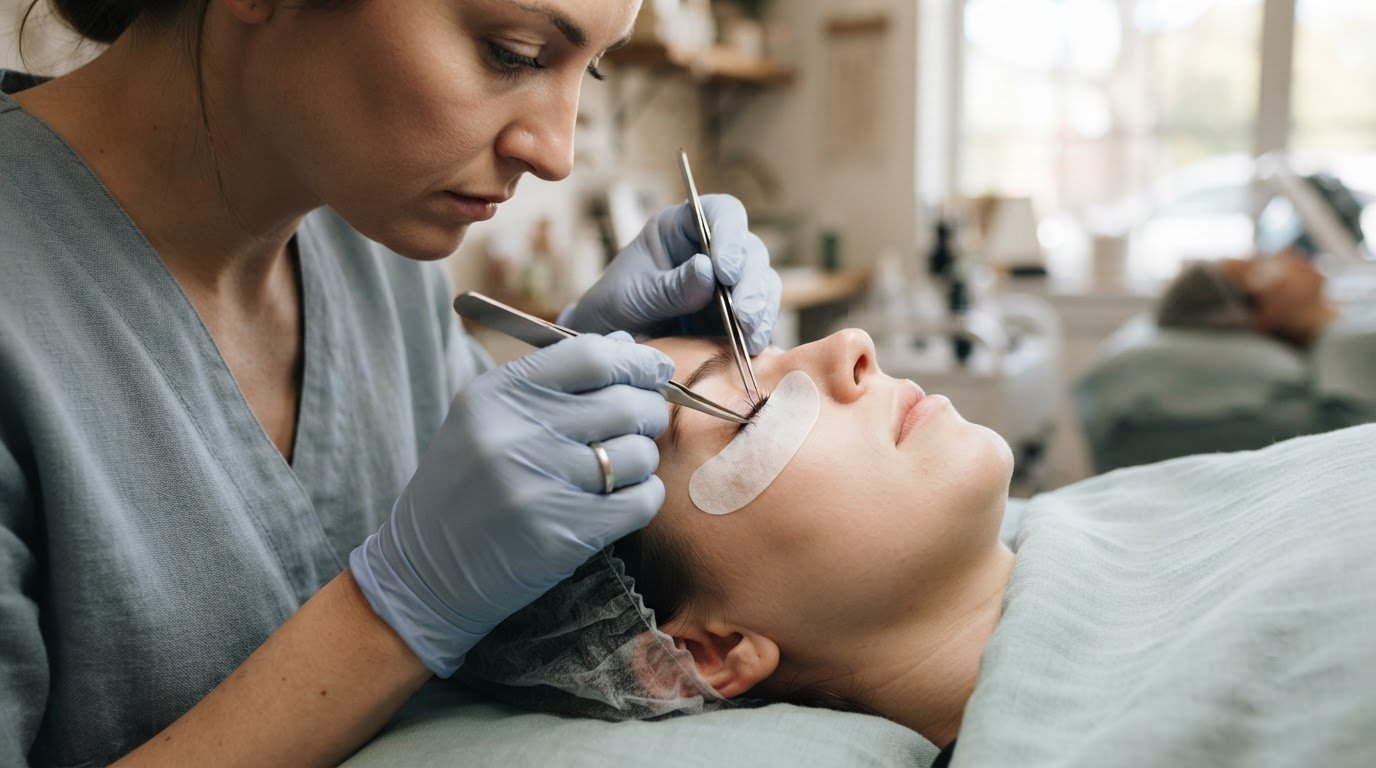
Laveda Lash & Brow Boutique offers Arlington and Washington, DC, area readers a local option for lash and brow appointments. Choose based on the look you want: Lash Extensions for a lash-focused change or Brow Lamination for a more defined brow appearance. Use review themes to clarify your preferences, including the finish you like and the experience you value.
If you’re considering either service, contact Laveda Lash & Brow Boutique to discuss an appointment.
Choose a Beauty Experience That Fits Your Next Step
Let Arlington VA beauty boutique reviews inform your decision, while your personal style sets the direction. If you enjoy pairing professional beauty services with everyday style accents, exploring jewelry and accessories from BodyJ4You can help complete your desired look. Before booking, name the change you want and the appointment experience that would feel right. That gives you a clearer basis for choosing than a rating alone.
Laveda Lash & Brow Boutique offers Lash Extensions, Lash Lift, and Mani Pedi services. Consider which appointment best fits your priorities, whether you want a lash-focused refresh or nail care. Start by choosing what you want to focus on, then discuss an appointment with the boutique.
Contact Laveda Lash & Brow Boutique to discuss your next beauty appointment. Choose with intention, and move forward feeling prepared.
Frequently Asked Questions
Which beauty boutiques in Arlington, VA have the best customer reviews?
Laveda Lash & Brow Boutique describes itself as a top-rated lash and brow salon serving Washington, DC, and Northern Virginia. That description doesn’t establish a verified ranking among all Arlington boutiques. For a practical comparison, read recent reviews of the specific appointment you want and note whether the feedback concerns an Arlington-area location or another studio. This helps distinguish local experiences from broader regional praise.


Comments